REVIEW · ROME
Rome Private Segway Tour
Book on Viator →Operated by Rolling Rome · Bookable on Viator
Segways make Rome’s hills feel smaller. This private 3.5-hour ride with Rolling Rome is a feet-saving way to cover big landmarks fast, and the private guide (Nico is a standout) connects each stop to the story behind what you’re seeing. The tradeoff: you have to meet the Segway rules (weight range and comfort with stair motions), and two major sights have tickets not included.
What I like most is how much you fit in without feeling like you’re rushing through everything. You start at Piazza del Gesù and end right back there, with helmets provided and a local guide steering the pace. Plus, many of the stops along the way are free-entry moments, from Trevi Fountain to the Pantheon.
One more thing to plan for: the timing is tight at each photo stop (often around 10–15 minutes). If you want long time inside major ticketed venues, think of this as a smart overview that gets you oriented for later exploring.
In This Review
- Key things to know before you ride
- Piazza del Gesù start: how the tour begins and ends
- Safety on a Segway: who should feel confident, and who should think twice
- Trevi Fountain to Vittorio Emanuele II: the Rome “wow” sequence
- Piazza Venezia to Campidoglio: Domitian’s stadium shape and Michelangelo’s square
- Spanish Steps and the Pantheon: short stops that still mean something
- Colosseum and Circo Massimo: iconic sights, with tickets to plan for
- Via dei Fori Imperiali and Giardino degli Aranci: the overview-to-panorama shift
- Price and value for a private Segway overview
- Should you book this private Segway tour?
- FAQ
- How long is the Rome private Segway tour?
- Is this tour private or shared?
- Where do we meet, and do we return to the same place?
- What’s included in the price?
- Are tickets included for the Colosseum and Circo Massimo?
- What’s the minimum age to ride?
- Are there weight limits for Segway riders?
- Is the tour offered in English, and how soon will I get confirmation?
Key things to know before you ride
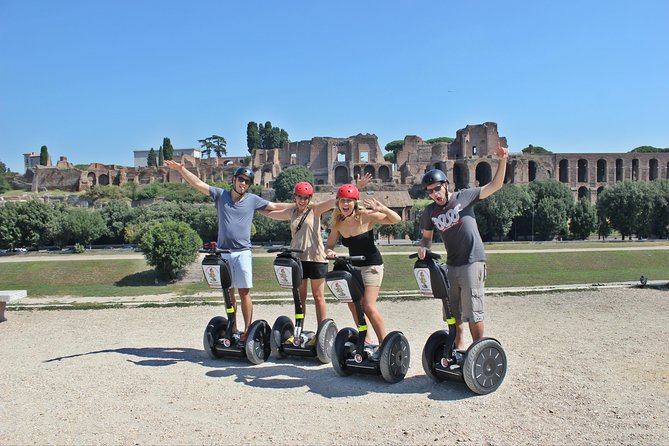
- A true private setup: only your group, with a guide who can tailor the pace
- Helmet + Segway basics handled: you’re suited up and led through safe riding
- Free stops add up: Trevi, Pantheon, and multiple piazzas are included at no extra entry cost
- Two big ticket moments aren’t included: Colosseum and Circo Massimo require separate admissions
- Guides bring personality: Nico, Gabriel, and Jane are all mentioned as memorable leaders who keep it fun
- Viewpoints included: Giardino degli Aranci gives you a classic high Rome roof view
Piazza del Gesù start: how the tour begins and ends
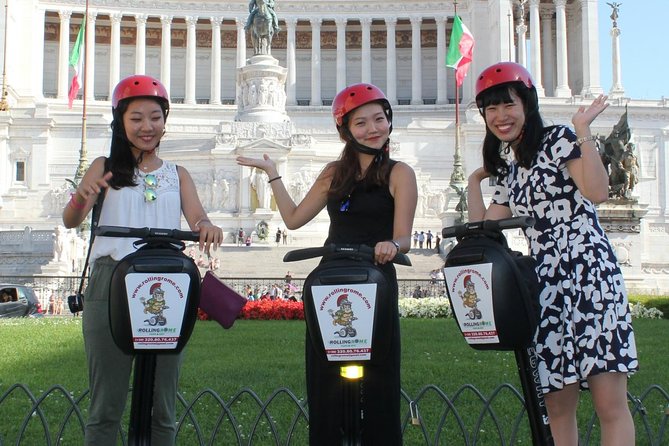
Your tour starts and finishes at Piazza del Gesù, 47 (00186), Rome. That matters more than it sounds. It keeps the day simple: no hotel detours, no waiting for a driver, and no stress about where you’ll end up when you’re done.
At the start, you’ll get set up with the helmet and the local guide will brief you before you roll out. From there, the tour follows a city loop that mixes major “must-see” landmarks with Roman streets that you’d miss if you were only doing big-name sightseeing.
The tour timing is built around short stops—usually long enough for photos, a quick listen, and a look around. That format works best for people who want to understand what they’re seeing while still keeping energy for the rest of the day.
Also, plan to meet the tour on time. Since there’s no hotel pickup, you’ll want to be at the meeting point ready to ride so the group doesn’t lose momentum.
You can also read our reviews of more tours and experiences in Rome.
Safety on a Segway: who should feel confident, and who should think twice
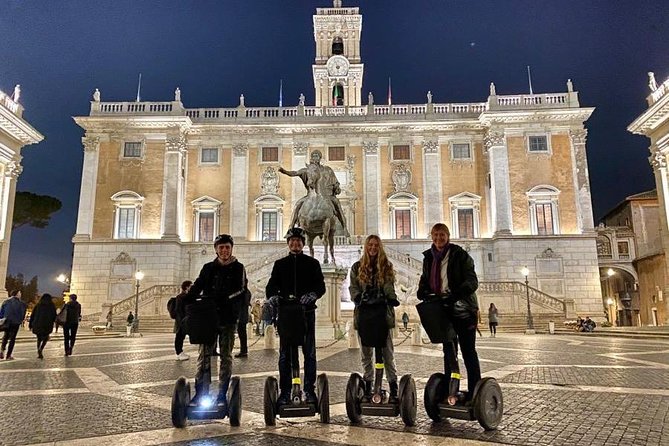
This is a Segway experience first, sightseeing second. That’s not a bad thing—it just means you should match the activity to your comfort level.
Here’s what’s explicitly required:
- Minimum age is 16
- You must weigh between 100 and 250 pounds (45–113 kg)
- You should be able to make motion like climbing and descending stairs without assistance
- Wear comfortable shoes
- Avoid carrying large bags
Safety is taken seriously. One of the guides (Nico, in particular) is described as very conscientious about safety, which is exactly what you want on a ride that includes turning corners, navigating tight sidewalks, and stopping often.
If you’re the kind of person who feels tense on wheeled devices, do a quick self-check before booking. If you can stay calm, follow instructions, and move your feet confidently, the Segway part tends to feel like the magic trick: you glide between sights and your body doesn’t feel cooked by the time you reach the Pantheon or the Colosseum area.
Trevi Fountain to Vittorio Emanuele II: the Rome “wow” sequence
The tour kicks off at Trevi Fountain, Rome’s largest and best-known fountain. The guide’s approach here is smart: you get a sense of what you’re approaching, then you see the scale. You’re in the Baroque sweet spot—ornate details, giant stone, and that instantly-recognizable scene.
At about 15 minutes, you’ll have time for the classic look, plus enough time to hear the connection to the old aqueduct story (the fountain sits where an ancient aqueduct once ended). Practical note: Trevi is busy, so expect the viewing area to be crowded. The Segway doesn’t remove crowds, but it can reduce the walking fatigue that would otherwise pile up before lunch.
Next is the Monumento a Vittorio Emanuele II. This massive monument is visible from all over Rome, which makes it a great landmark for orientation. What makes this stop interesting is the “listen while you look” style: the story includes details that help you understand what you’re seeing—like the horse in front and why it matters. The stop is also short at around 15 minutes, so you’ll mostly focus on getting the big picture.
Trevi plus Vittorio can feel like an emotional opener. You start with spectacle, then shift to a monument that’s more about national memory and the way Rome signals its identity in stone.
Piazza Venezia to Campidoglio: Domitian’s stadium shape and Michelangelo’s square
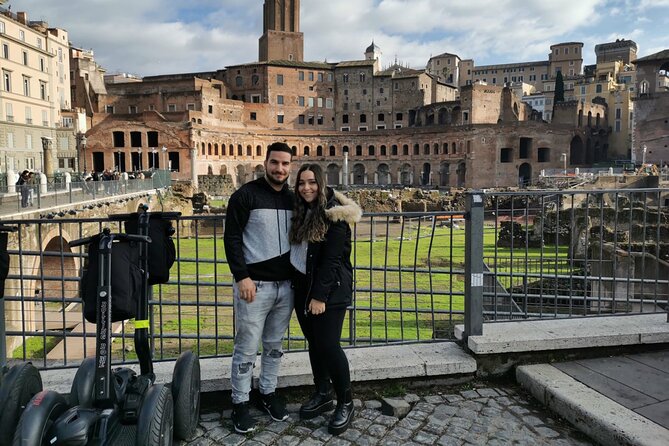
From there, you roll into Piazza Venezia. This is one of those places where you can’t look in only one direction. It’s busy, and history stacks up in layers as you pivot your head—architecture here, monuments there, streets feeding in from multiple angles. You get about 10 minutes, so it’s not for a long hangout. It’s for resetting your mental map: where you are, what era you’re in, and how the city is structured.
Then comes Fontana dei Quattro Fiumi. This fountain is famous, but the real gift of a guided stop is context. The fountain sits in an elliptic square that connects back to the ancient stadium of Domitian. That’s the kind of detail that turns a pretty photo spot into a “now I get it” moment. You’re also given about 15 minutes here, which is enough time to see the fountain first, then understand how the space around it was designed.
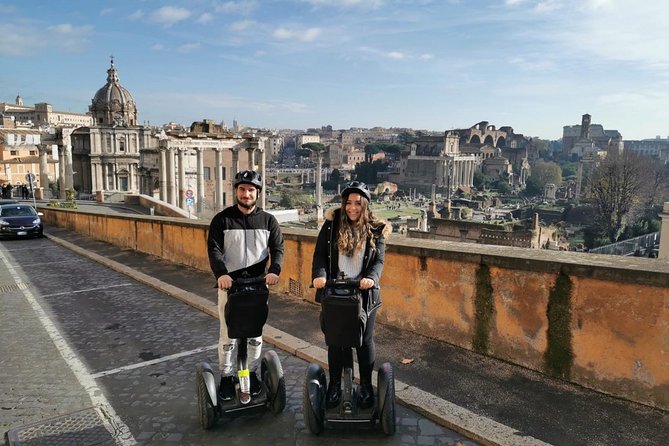
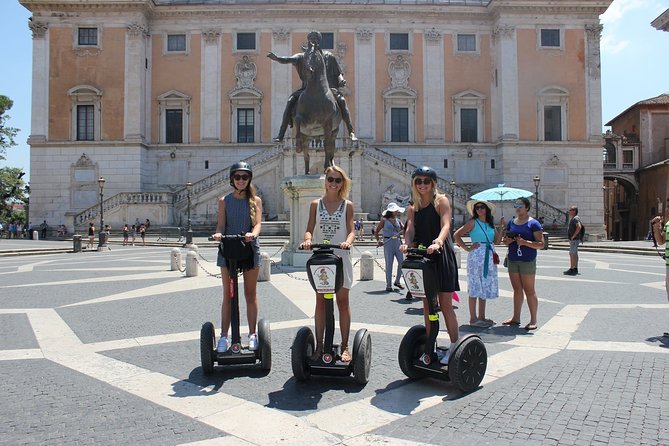
After that, you reach Piazza del Campidoglio, which is often treated like the heart of the city. It’s tied to the seven hills of Ancient Rome, and today you’ll find the Campidoglio square designed by Michelangelo. The big payoff is the viewpoint: you can look out toward the Roman Forum area from up above.
This is one of the stops where the Segway really earns its keep. You’re not just walking from sight to sight; you’re getting repositioned at height and angle, which makes Rome feel less like a flat map and more like a city of stacked layers.
Spanish Steps and the Pantheon: short stops that still mean something
Next up: the Spanish Steps. The description you’ll hear matches what you see. The shape is irregular—more like curves, flights, terraces, and landings that work as a meeting place. It’s a wide stage for people-watching and photos, and the baroque style is visible in the way the steps behave like architecture, not just stairs.
Expect about 15 minutes. That’s enough time to admire the design and get a feel for the geometry of the place, even if you can’t linger.
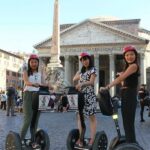
Then you move to the Pantheon, and this is where the tour hits a major anchor. The Pantheon is famous for a reason: it’s an ancient building that still stands tall in daily use, with a giant dome and massive columns. You’ll be able to take in the scale and structure, and you’ll likely hear why later builders copied the formula—column facade plus dome.
The stop is around 15 minutes and is listed as free-entry here. In real life, you’ll still feel the world-famous draw: plan for a crowd, and keep your expectations focused. This is the time for orientation and architecture appreciation, not a slow, deep-dive visit.
Colosseum and Circo Massimo: iconic sights, with tickets to plan for
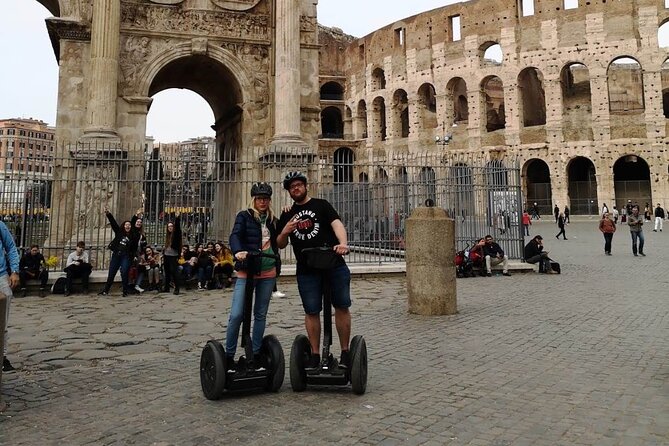
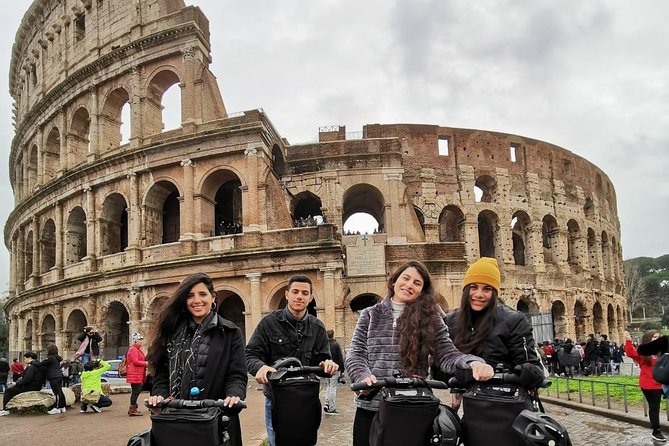
The tour reaches Colosseum next. This is Rome’s iconic statement piece, and the guide will frame it with the emotional stakes of the place—the Flavian amphitheater, gladiators, and the idea of emperors engaging the public. You’ll have about 15 minutes at the site, but here’s the key practical part: admission isn’t included.
So think of Colosseum time in two stages:
1) brief orientation on-site and context from the guide
2) your decision afterward about whether to buy entry for a longer look
Then comes Circo Massimo, where chariot racing took place. It’s a big open-space kind of sight, but the story is the point: it was used for chariot racing for thousands of years. Admission is also listed as not included, and the stop runs about 15 minutes.
If you want your day to feel smooth, budget for tickets at these two stops. The tour is priced to include a lot of guide time and free entry moments elsewhere, but these are the two places where Rome’s headline attractions follow a different rule.
Via dei Fori Imperiali and Giardino degli Aranci: the overview-to-panorama shift
The tour then travels along Via dei Fori Imperiali, a historic street framed by the Roman forums. You’ll get a sense of how the ruins line up and how the spaces connect—why this corridor is one of the best ways to understand the city’s public zones. The stop is short (around 15 minutes), but guided framing helps you avoid the common problem of staring at stone without knowing what it used to be.
After that, you ride to Giardino degli Aranci on the Aventine Hill. This is one of the classic “Rome from above” moments, built for the views—rooflines, domes, and the general sense of a city stacked in layers. Again, it’s about 15 minutes, which is perfect for soaking it in briefly and moving on without wasting daylight.
This pairing—forums corridor to viewpoint—works like a good story arc. You go from the official civic past to a present-day lookout, and your brain gets a reset.
Finally, you return to the Rolling Rome Tours & Rents office area where the tour ends back at the meeting point.
Price and value for a private Segway overview
The price is $120.15 per person for a private 3.5-hour experience. That’s not pocket-change, so here’s how to judge the value in real terms.
You’re paying for:
- a private guide
- the Segway + helmet setup
- guided time across multiple big landmarks
- and a route that includes many stops labeled free entry (like Trevi Fountain, Fontana dei Quattro Fiumi, Piazza del Campidoglio, Spanish Steps, Pantheon, Via dei Fori Imperiali, and Giardino degli Aranci)
You’re not paying for:
- Colosseum admission
- Circo Massimo admission
- hotel pickup/drop-off (you start at the meeting point instead)
To me, the biggest value is the way Segway time reduces fatigue. If your feet would be tired after just one or two long walking stretches, the Segway changes the whole day. You can see more, listen more, and still have energy for dinner.
Also, keep an eye on timing. This tour is often booked about 86 days in advance on average, which suggests it’s popular and slots can fill. If your dates are fixed, booking sooner is a smart move.
Should you book this private Segway tour?
I’d book it if you want a high-efficiency Rome intro with real guidance and less walking punishment. It’s a strong choice for couples and small groups who want major landmarks, viewpoints, and stories tied to what’s in front of you.
Skip it (or at least reconsider) if:
- you don’t meet the Segway weight or stair-motion requirements
- you prefer slow museum time and long lines inside major sites
- you don’t want to budget extra for Colosseum and Circo Massimo tickets
If you like the idea of getting your bearings fast—then using the rest of your day to wander into smaller streets—the Segway loop is a very practical way to start.
FAQ
How long is the Rome private Segway tour?
It’s about 3.5 hours (3 hours 30 minutes approx.), including the ride time and short stops at each site.
Is this tour private or shared?
This is a private tour/activity. Only your group participates.
Where do we meet, and do we return to the same place?
You meet at Piazza del Gesù, 47, 00186 Roma RM, Italy, and the activity ends back at the meeting point.
What’s included in the price?
Included are all taxes/fees/handling, a local guide, helmet use, and the fact that it’s a private tour.
Are tickets included for the Colosseum and Circo Massimo?
No. Colosseum and Circo Massimo are listed as admission not included. Other stops are listed as free.
What’s the minimum age to ride?
The minimum age is 16 years.
Are there weight limits for Segway riders?
Yes. Segways are not suitable for guests who weigh under 100 pounds (45 kg) or over 250 pounds (113 kg).
Is the tour offered in English, and how soon will I get confirmation?
The tour is offered in English, and you should receive confirmation within 48 hours of booking (subject to availability).