REVIEW · PARIS
Paris Segway Tour with Ticket for Seine River Cruise
Book on Viator →Operated by Go Go Tours - Privat Segway Tours In Paris · Bookable on Viator
90 minutes in Paris can feel like a week. This Paris Segway tour zips you past major sights with a local guide, then includes a Seine River cruise ticket so you see the city from the water too. I especially like how quickly you get up to speed on the Segway (guides like Fadwa and Valentin focus on the basics fast) and how the cruise adds a calmer, scenic finish.
My other favorite part is the way the stops are built for the first-time visitor: picture time plus just enough context to connect the dots across central Paris. The one drawback: it’s a short ride, so you’re not doing long museum visits—this is mostly exterior sightseeing and photo stops, and the tour operates in all weather (you do get cold-weather gear, but you still should dress for it).
In This Review
- Key Things I’d Plan Around
- Price and Value: Does $101.85 Really Make Sense?
- Where You Start: 101 Av. de la Bourdonnais (and Why It Matters)
- Getting Comfortable on a Segway: Helmets, Shoes, and Real-Life Handling
- The Route From Invalides to the River Bridges: Big Paris Landmarks, Quick Stops
- Grand Palais and Petit Palais: Two 1900 Icons You’ll See From the Streets
- Place de la Concorde and the Central-Day Picture Strategy
- Louvre Pass-By (Without Museum Entry) and Why That Works
- Musée d’Orsay: A Train Station Story You Can See From the Outside
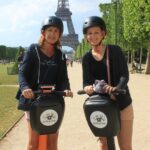
- Eiffel Tower Finale: Time for Photos and a True Paris Moment
- Seine River Cruise Ticket: Paris Slower, Smoother, Better
- English-Speaking Guidance: What You Actually Get From the Tour
- Timing, Weather, and How to Dress (So You Enjoy It)
- Who This Tour Fits Best (and Who Might Prefer Another Plan)
- Practical Tips That Make the Difference
- Should You Book This Paris Segway Tour with Seine River Cruise?
- FAQ
- How long is the Paris Segway tour?
- Is the Seine River cruise included?
- What’s included in the Segway portion?
- What’s not included?
- Where do we meet, and where does the tour end?
- What age is the tour suitable for?
- What language is the tour offered in?
Key Things I’d Plan Around

- You cover a lot of central Paris in about 90 minutes without spending your day in traffic on foot
- You get both Segway sightseeing and a Seine cruise included in one ticket
- Stops are quick photo-and-facts moments (admission isn’t included at the stops)
- You’ll receive safety training and a helmet, plus raincoats/hats/gloves if it’s cold
- Guides often tailor the pace and focus for the group, especially on private tours
Price and Value: Does $101.85 Really Make Sense?
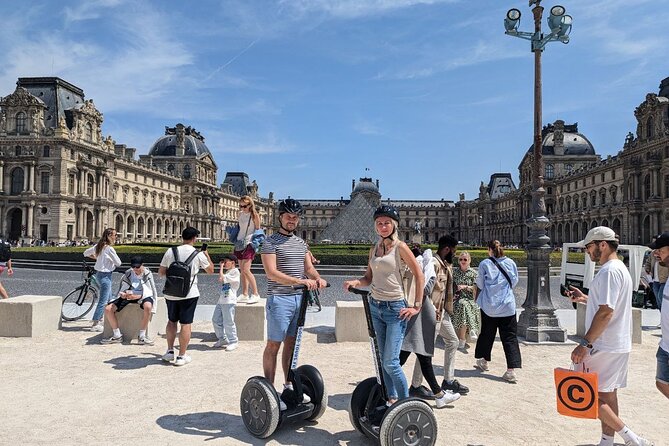
At $101.85 per person for roughly 1.5 hours, the value depends on what you’re optimizing for. If you want a high-impact first day—big landmarks, quick orientation, and a guided narrative—this price is easier to justify because you’re getting two experiences for the same outing: the Segway ride plus the Seine cruise.
If you’re the type who wants slow wandering and deep museum time, you may feel the time limit quickly. Since admission for the major stops isn’t included, this tour works best as a “see the city fast, then choose what to explore later” plan.
Also, it’s a private tour/activity, which can be a real perk if you’re traveling as a small group and want less waiting and fewer group compromises.
You can also read our reviews of more tours and experiences in Paris.


Where You Start: 101 Av. de la Bourdonnais (and Why It Matters)
You’ll meet at 101 Av. de la Bourdonnais, 75007 Paris, and the tour ends back at the same place. That matters in Paris because location and timing can make or break a day. This meeting point keeps you positioned for central highlights without needing long transfers.
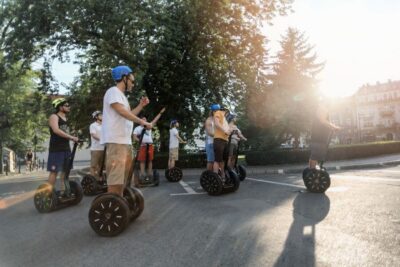
Before you head out, you’ll do a safety briefing and get helmeted. In practice, the learning curve tends to be short—people often feel comfortable quickly after the guide covers slowing down, braking, turning, and getting on/off.
If you’re arriving by public transportation, the meeting point is listed as being near public transport, which helps on days when taxis and rideshare are busy.
Getting Comfortable on a Segway: Helmets, Shoes, and Real-Life Handling
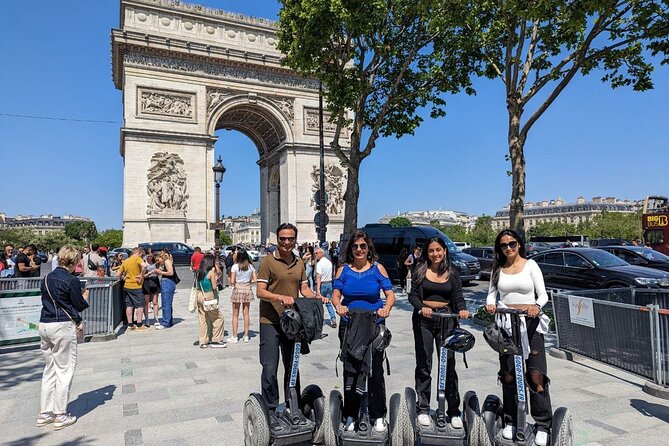
The Segway part is the whole point, so I pay attention to what can make it easier or harder.
You’ll get a helmet and a safety briefing, and you’ll ride with the guide guiding traffic choices in busy areas. For most people, the setup and coaching are straightforward, and you should feel the Segway is intuitive pretty fast.
One practical tip from experience: wear cushioned shoes. The Segway can make you feel the bottoms of your feet more than you expect, and supportive footwear makes the whole experience less tiring. If you arrive in thin sandals or stiff soles, you may end up thinking about comfort instead of the sights.
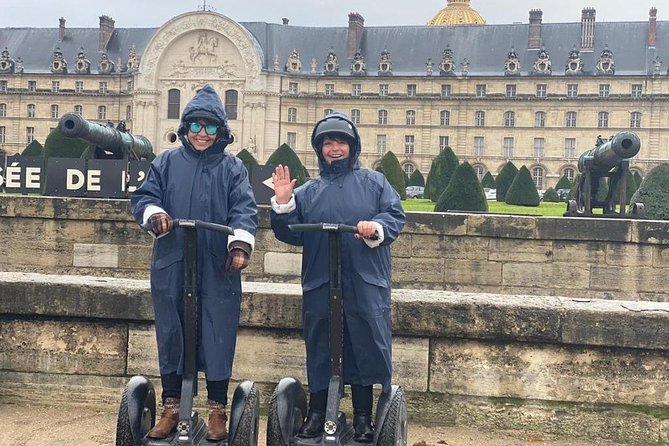
And yes, the tour runs in bad weather too. You get raincoats, hats, and gloves if it’s cold, which helps a lot, but you still want to dress for wet and wind.
The Route From Invalides to the River Bridges: Big Paris Landmarks, Quick Stops
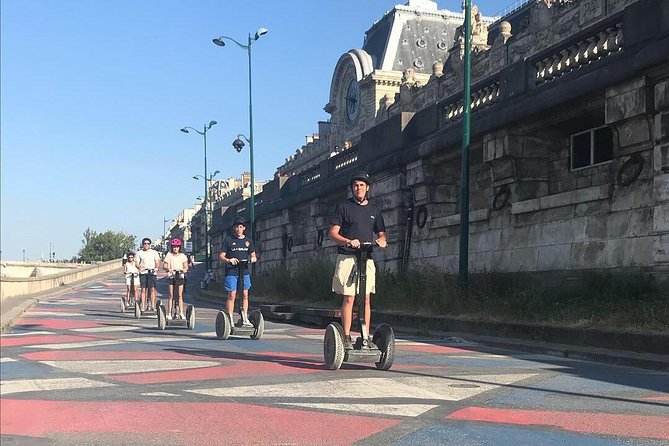
Your ride begins in the Les Invalides area at the Hôtel des Invalides / Military Museum. This stop is tied to French royal history: it was commissioned in 1670 by Louis XIV to house and care for wounded soldiers. Even if you don’t enter any galleries, the short stop is a solid chance to connect the modern city to its older spine.
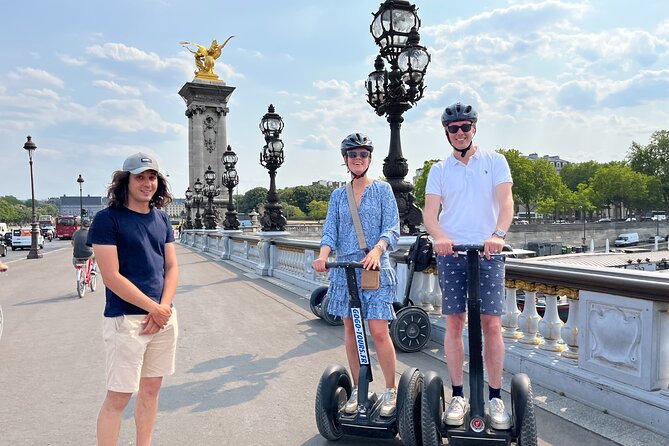
Next comes Pont Alexandre III—one of the Seine’s standout bridges. It was built for the World Fair in Paris, and it’s widely seen as one of the most beautiful bridges in the city. This is a great pause for photos, especially if you like dramatic angles and architecture details.
The tradeoff with quick stops: you don’t get long, slow viewing. But you do get a guide-led pattern—ride, stop, learn, ride—so you’re not left guessing what matters.
Grand Palais and Petit Palais: Two 1900 Icons You’ll See From the Streets
You’ll pass by Grand Palais, built for the Universal Exhibition in 1900. The tour wording highlights its dedication by the French Republic to the glory of French art, which gives you a useful frame as you look at the building’s presence and scale.
Then you move to Petit Palais, also built for the 1900 Universal Exhibition. It later became a museum in 1902. These two stops are ideal if you like being able to recognize major architectural landmarks without needing museum time.
The practical upside here: grand facades and ornate city edges are often faster to enjoy by Segway than on foot. You gain speed, but you still get a chance to park your viewpoint for a minute and take photos.

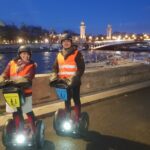

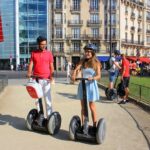
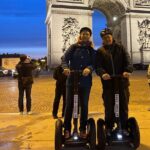
Place de la Concorde and the Central-Day Picture Strategy
Place de la Concorde sits between the Champs-Élysées and the Tuileries Gardens, and it’s described as the largest square in Paris. It also gets a second-place comparison as the country’s second-largest after Place de Quinconces in Bordeaux.
This stop is perfect for two reasons. First, it’s a strong visual waypoint when you’re learning where everything is. Second, it’s an easy “reset moment” when you need a clear open space before you head into tighter street viewpoints.
Since you’re on a timeline, treat picture-taking like a mini mission: grab your best angles quickly, then listen. The guide’s context helps the landmarks click so your photos feel like more than just snapshots.
Louvre Pass-By (Without Museum Entry) and Why That Works
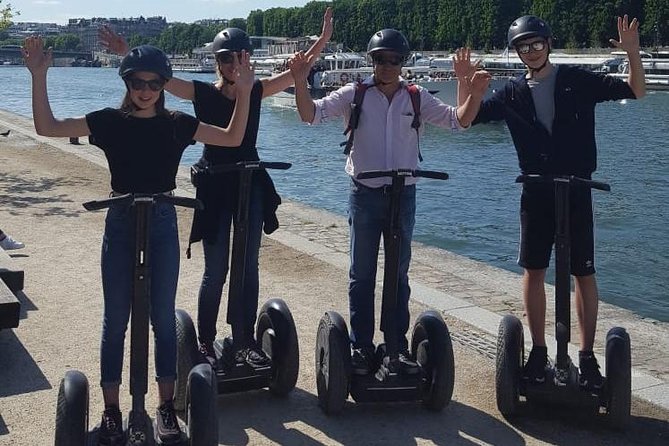
You’ll get a stop at the Louvre area, but admission isn’t included for the museum itself. That means you should expect mostly exterior views and a short photo break, not a full Louvre visit.
Still, this works well because the Louvre is so central that seeing it from the street helps you orient your later choices. When you return to the Louvre on a separate day, you’ll have a mental map of why the building sits where it does and how it connects with nearby neighborhoods.
If you’re the kind of traveler who hates juggling too many tickets on the first day, this is a relief: you get the landmark moment without forcing a long indoor commitment.
Musée d’Orsay: A Train Station Story You Can See From the Outside
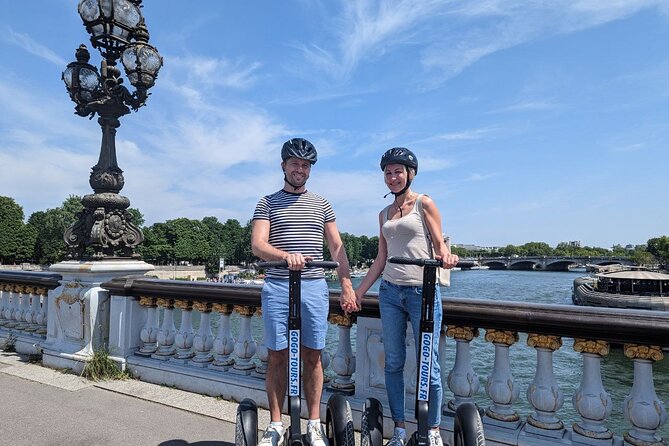
Another quick, high-recognition stop is Musée d’Orsay. The key detail here is its origin story: it was built as a train station for the 1900 World’s Fair, with architect Victor Laloux bringing in modern features for that era.
Even without going inside, this kind of background changes how you look at the building. You stop seeing it as just another pretty structure and start noticing the industrial-to-cultural transformation in how Paris repurposed its infrastructure.
This is also a nice moment to catch your breath for a minute before the Eiffel Tower finale, since the day’s pacing is moving toward the big visual payoff.
Eiffel Tower Finale: Time for Photos and a True Paris Moment
Your final Segway highlight centers on the Eiffel Tower. The tower is described as France’s and Paris’s symbol for decades, and the story includes that when Gustave Eiffel built it in 1889, it was meant to be temporary—and it wasn’t immediately loved by Parisians.
Practically, you’ll get a short stop for photos. The key is to use that time efficiently: bring your camera ready, plan for a few angles, and then take in what your guide is pointing out so you feel like you earned the view, not just grabbed it.
If you’re visiting in the evening later (and you should consider it with the cruise ticket), the Eiffel Tower framed from the Seine has a completely different mood than static tower photography.
Seine River Cruise Ticket: Paris Slower, Smoother, Better
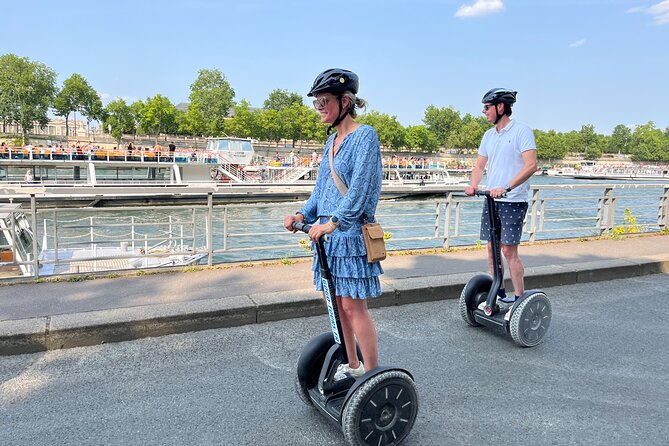
The best “balance” in this combo is that the cruise gives your legs a break. After riding around central Paris, you get a leisurely boat ride along the River Seine, seeing Paris from a new perspective.
This is where the day often clicks emotionally. From the water, landmarks feel more connected, and the city’s geometry comes together in a way street-level photos can’t replicate. It’s also a chance to regroup and watch the city rhythm change—less traffic energy, more open horizon.
Some people use this cruise the same night as their Segway ride, which can be extra fun if you like evening views and the Eiffel Tower lit up.
English-Speaking Guidance: What You Actually Get From the Tour
You’ll ride with a local guide and the experience is offered in English. The value isn’t just the facts—it’s how the guide helps you understand what you’re seeing quickly, and how to move confidently through busy roads.
Guides also tend to manage the flow. One clear theme: guides handle stop timing, photo opportunities, and pacing so you can see more without feeling rushed or lost.
On private tours, you may also notice the guide adjusting to what you care about more—history cues, landmark focus, or just a smoother ride with fewer detours.
Timing, Weather, and How to Dress (So You Enjoy It)
This is an all-weather activity. That doesn’t mean it’s miserable—often it just means you’re prepared. You’ll receive raincoats, hats, and gloves when it’s cold, which can turn a potentially uncomfortable ride into a manageable one.
Still, you should show up thinking like a cyclist: layers help, shoes matter, and windproof outerwear is a plus. If you’re prone to cold hands, gloves are especially important because you’ll likely be wearing them for the full tour.
And plan your day for quick photos. Because the stops are short, you’ll enjoy it more if you don’t expect long, slow wandering between landmarks.
Who This Tour Fits Best (and Who Might Prefer Another Plan)
This Paris Segway tour with Seine River cruise is a great match if you:
- Want a fast, guided overview of central Paris in your first 36–48 hours
- Prefer experiences with built-in direction, not just open-ended walking
- Like landmark sightseeing with quick context, then want to pick later what to explore longer
- Travel as a couple or small group and like the private-tour feel
It’s not recommended for children 12 and under, so for families with younger kids you’ll likely want a different format. And if you have mobility or balance concerns, you should think carefully before choosing any Segway-based activity.
Practical Tips That Make the Difference
A few small choices can make this tour feel smooth instead of stressful.
- Wear cushioned shoes so the Segway doesn’t feel harsh on your feet.
- Bring a light layer under your rain gear if it’s chilly, because wind can make a short trip feel longer.
- Have your phone or camera ready before you stop—your photo time is limited.
- If you care about a specific area (like the Champs-Élysées or the Arc de Triomphe region mentioned as highlights), tell the guide early so your stops match your priorities.
If weather or timing changes happen with rides or arrivals, the operator’s team has shown they can help set a new time. So if your day slips, don’t just assume it’s over—ask.
Should You Book This Paris Segway Tour with Seine River Cruise?
I’d book it if you want a first-day hit list that doesn’t require a long museum schedule. For the price, the combo is strong: you get motion-based sightseeing with quick landmark context, then a ticketed Seine cruise that gives you a slower, more scenic payoff.
If you hate the idea of short stops or you’re set on full museum time, you may prefer a walking tour plus a separate cruise reservation. But if you like efficient sightseeing, this is one of those Paris activities that helps you “get your bearings fast” and then enjoy the city more on your own.
In short: if you want the highlights, guided rhythm, and a cruise finish, this is a smart way to spend 1.5 hours.
FAQ
How long is the Paris Segway tour?
It’s about 1 hour 30 minutes.
Is the Seine River cruise included?
Yes. The experience includes a complimentary boat ride along the River Seine, and you’ll receive a ticket for it.
What’s included in the Segway portion?
You get a local guide, the Segway, a helmet, a safety briefing, and cold-weather items like raincoats, hats, and gloves.
What’s not included?
Food and drinks aren’t included.
Where do we meet, and where does the tour end?
You’ll meet at 101 Av. de la Bourdonnais, 75007 Paris, and the tour ends back at the same meeting point.
What age is the tour suitable for?
It’s not recommended for children 12 and under.
What language is the tour offered in?
The tour is offered in English (and it may be operated by a multilingual guide).