REVIEW · MUNICH
Munich Classic City Segway Tour (English or German Guide)
Book on Viator →Operated by Fat Tire Tours Munich · Bookable on Viator
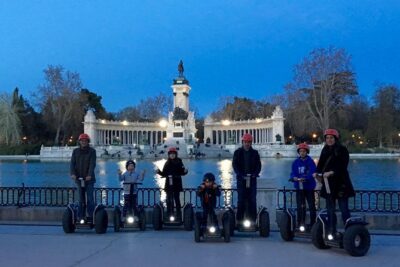
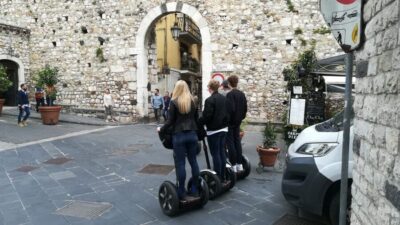
Two wheels, three hours, and Munich clicks. This Munich Classic City Segway Tour from Fat Tire Tours Munich is a fast, fun way to get your bearings, with short rides and lots of guide talk—English or German. I especially like that the group is capped at eight, so you don’t feel like a number in a conga line.
Second, I like the pacing: training up front, then frequent chances to stop for photos while your guide points out what you’re seeing. Guides such as Mark, Robert, Karl, Dan, and Achim come up in the experience in a consistent way—friendly teaching, clear explanations, and real effort to make you comfortable on the Segway. (That matters more than people expect.)
One consideration: this tour is not recommended if you have knee or balance problems. The Segway is simple once you’re rolling, but you still need steady control for the full route.
In This Review
- Key things that make this Segway tour worth it
- Price and value: is $92.19 a smart buy?
- Getting started at Karlsplatz: training, helmets, and a smooth launch
- The route’s rhythm: lots of short stops, not long waits
- Hofgarten and English Garden: Munich’s green heart from a fast perspective
- Königsplatz: a cultural square with uncomfortable history
- Pinakotheken exteriors: art-land you can chase later
- Isar River ride: where locals reset
- Odeonsplatz and the royal squares vibe: Feldherrnhalle and Theatinerkirche
- Residenz München: old power and modern storytelling
- Eisbach Wave: surfers in the city (and why that’s fun)
- Brienner Str. 45: the hardest stop, handled with care
- Maximilianeum and Friedensengel: modern institutions and remembrance
- Who this Munich Classic Segway Tour is best for
- What to expect from the guides: friendly teaching and real patience
- Logistics you’ll actually care about on tour day
- Should you book this Munich Segway tour?
- FAQ
- How long is the Munich Classic City Segway Tour?
- Are the guides available in English or German?
- What’s the group size limit?
- Where does the tour meet and end?
- What’s included with the tour?
- Is there an age requirement?
- Is the tour suitable if I have knee or balance problems?
- Do I need separate admission tickets for the stops?
- What happens if the weather is bad or I need to cancel?
Key things that make this Segway tour worth it
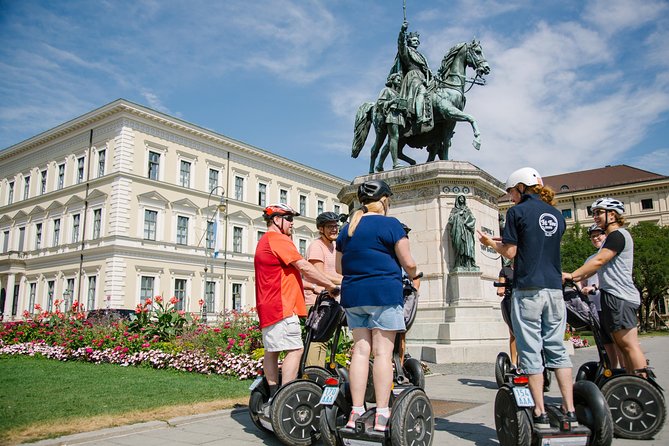
- Small group cap of eight keeps the ride relaxed and easier for questions
- 10–15 minutes of Segway training before you start the city loop
- Frequent photo stops help you actually remember what you passed
- Major Munich sights in one run—parks, squares, museums exteriors, and riverside scenes
- Safety and weather extras included: helmet, raincoat, sunscreen
- Free Wi‑Fi and luggage storage available at the shop before or after
Price and value: is $92.19 a smart buy?
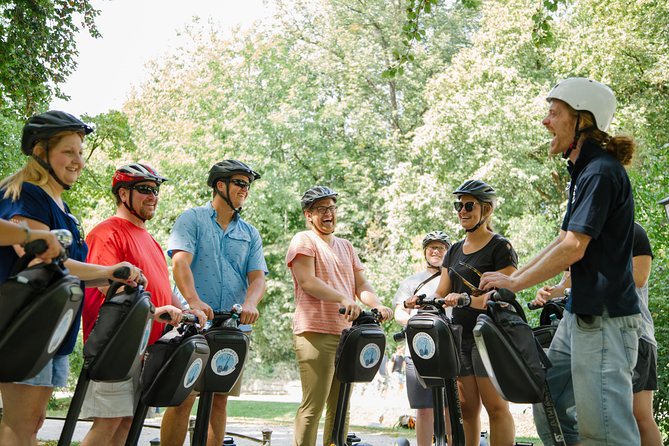
At $92.19 per person for roughly 3 to 3.5 hours, this is not a “budget-only” activity. But it’s also not just a rental. You’re paying for instruction, a guided route, and practical add-ons like a helmet, raincoat, and sunscreen, plus free Wi‑Fi and luggage storage at the shop. You’re also getting a compact Munich orientation that’s hard to replicate with a self-guided stroll in the same time.
The other value piece is time. Munich’s sights are spread out. A Segway lets you cover ground without tiring out before you reach the good stops. If it’s your first day in town and you want a strong overview, this format can save you planning headaches.
Two small cost realities to keep in mind:
- Some sights are marked as admission not included, so you may still want to pay later if you want to enter buildings or museums.
- The route depends on good weather, and that can affect scheduling.
You can also read our reviews of more tours and experiences in Munich.



Getting started at Karlsplatz: training, helmets, and a smooth launch
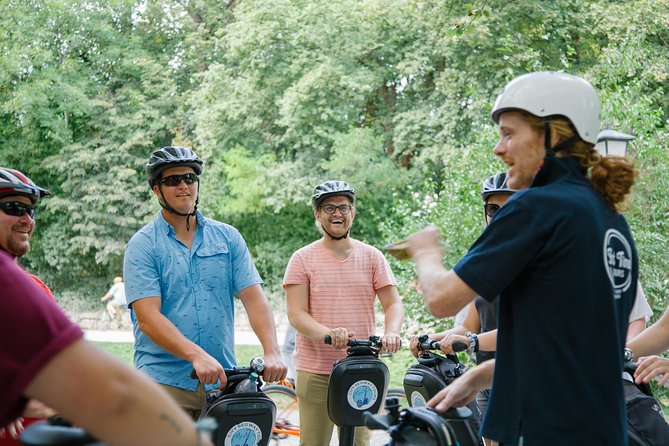
The tour begins at Karlsplatz 4 (near public transportation), and it returns to that same meeting point. Before the city portion starts, you get about 10–15 minutes of Segway training. That’s a big deal, because it turns the ride from guesswork into a skill you actually use.
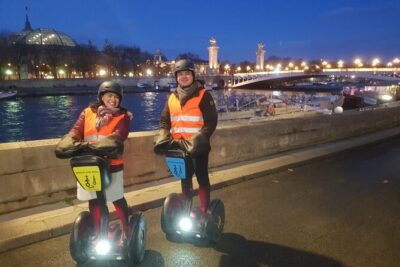
You’ll also get a helmet. On top of that, they provide raincoat and sunscreen, which is the kind of practical inclusion that pays off in real weather. If you’re traveling with a heavier bag, there’s free luggage storage at the shop, which keeps the ride comfortable and your walk after the tour easier.
For many people, the “Am I going to look silly?” fear is the main barrier with Segways. The combination of training plus small-group size reduces that problem fast.
The route’s rhythm: lots of short stops, not long waits
This tour is designed for motion. You ride, stop every few hundred feet for photos, then move on again. Expect multiple short stops—often 5 or 10 minutes—rather than long museum-style pauses.
That style is perfect for an overview: you can see a lot, learn what matters, and decide what to return to on your own. It’s less ideal if your goal is “spend lots of time inside” at major attractions. The route is built for seeing and hearing, then moving on.
Hofgarten and English Garden: Munich’s green heart from a fast perspective
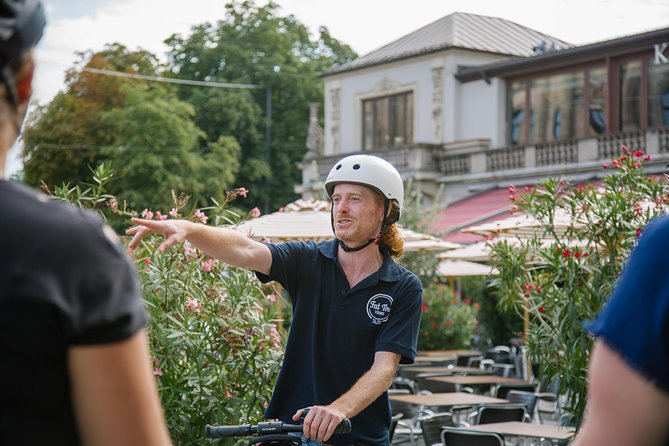
The tour starts with a visit to Hofgarten, Munich’s beautiful garden area near the city center. Even with a short stop, you get the feel of the formal, historical side of Munich—good for orientation because it anchors you in the layout around the royal and institutional core.
Next comes the English Garden, Munich’s famous central park. Riding through it is one of the easiest ways to understand why the city is known for outdoor space. You get the chance to see greenery without turning the day into a long walk. The trade-off is time: this is a look, not a deep explore. If you want to picnic, rent a bike, or wander into specific corners, you’ll need a separate visit.
Königsplatz: a cultural square with uncomfortable history
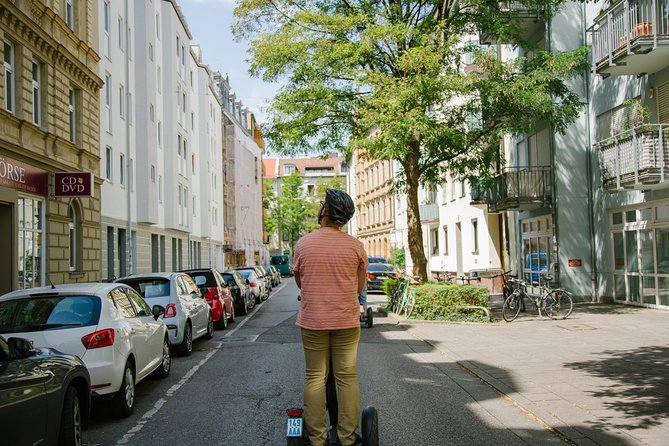
At Königsplatz, you’re in the centerpoint of Munich cultural life, and also a site connected to Nazi-era marching grounds. The short stop here is purposeful. It gives you context for how place and power can connect in city planning—even when the modern scene looks totally normal.
One drawback: because the stop is brief, you’ll want to pay attention and let the guide’s explanation do its work. If you tend to skim history, this is still worth it, but you’ll get more from listening closely than from simply snapping photos.



Pinakotheken exteriors: art-land you can chase later
You’ll pass by the Pinakotheken, collectively known as some of the oldest art galleries in the world. This is a great “taste” stop. You’ll see the scale of the museum area and learn enough to make the next step—choosing which gallery to visit—feel less random.
Because art museums often need dedicated time, the Segway format is best as a sampler. The tour’s value is: it helps you decide what you actually want to spend your ticket money on later.
Isar River ride: where locals reset
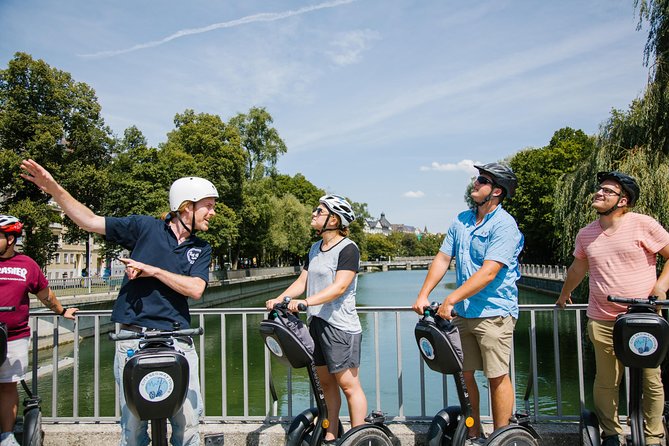
Riding along the Isar River is a smart shift after squares and buildings. The riverbanks are a popular relaxation spot, and from the Segway you get a smooth, moving view that feels different from looking at it from a single walkway.
Again, the time is limited. If you’re the type who wants to stop for coffee, watch the water longer, or explore side paths, build in extra time later. On this tour, you’re absorbing the vibe and the geography.
Odeonsplatz and the royal squares vibe: Feldherrnhalle and Theatinerkirche
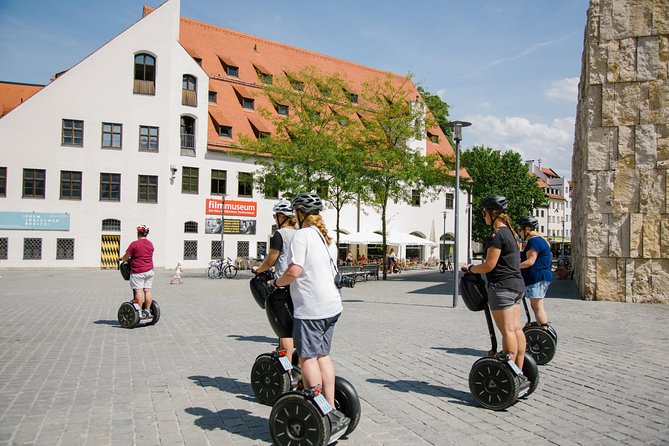
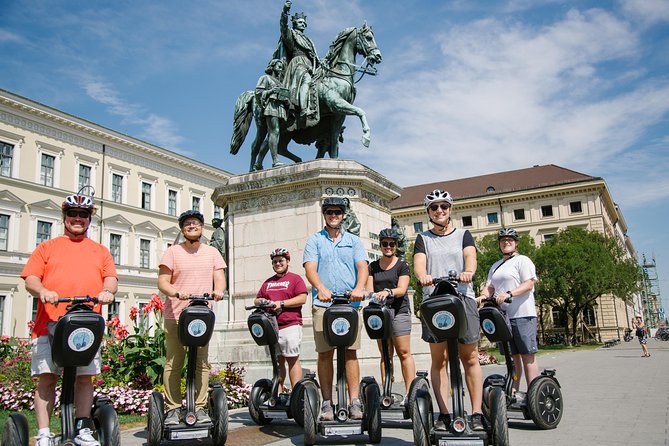
At Odeonsplatz, you’ll see landmarks including the Feldherrnhalle and the Theatinerkirche. This is the kind of stop where Munich’s monumental architecture does the talking. Even without going deep into interiors, the exteriors help you understand why so many guidebooks keep returning to this part of the city.
The short format means you’ll likely get photos and a clear explanation, then roll onward quickly. That’s good if you want variety. If you’re someone who likes to linger, plan a follow-up stroll afterward.
Residenz München: old power and modern storytelling
You’ll ride through Residenz München, the old royal palace complex. The guide’s job here is storytelling—what this kind of seat of power meant, who lived around it, and how the area shaped Munich.
The key consideration is that palace complexes can be huge. This Segway stop is designed to give you context and orientation, not a full visit. If you’re tempted to go inside later, this is the kind of tour that helps you know what to look for.
Eisbach Wave: surfers in the city (and why that’s fun)
One of the most memorable stops is Eisbach Wave, where you can see the world famous Munich surfers. This is the city’s “wow” moment—unexpected, slightly quirky, and very Munich.
It’s also the kind of stop where reality can be weather-dependent. On a day when the wave is active and conditions are good, it’s a highlight. If you’re visiting for this specific moment, keep expectations flexible: the location is fixed, but the scene can vary.
Brienner Str. 45: the hardest stop, handled with care
The tour includes Brienner Str. 45, connected to the headquarters of the National Socialist German Workers’ Party and the building associated with Hitler’s office block. This is the portion where you should slow down mentally and take the explanations seriously.
The time here is short, but the subject is heavy. This is not the kind of stop to treat as “just another photo.” If your comfort level with difficult history is low, you’ll still benefit from going slowly through the guide’s framing rather than rushing.
Maximilianeum and Friedensengel: modern institutions and remembrance
After the heavy stops, you get a shift. Maximilianeum is the home of a students’ foundation and the Bavarian Landtag (state parliament). It’s a nice reminder that Munich isn’t stuck in the past—it’s also a working seat of governance and education.
Then there’s Friedensengel, the Angel of Peace, which commemorates the 25 peaceful years after the Franco-German war. This is a quieter ending note than the earlier squares and buildings. It helps you leave the tour with a sense of how the city remembers and moves forward.
Who this Munich Classic Segway Tour is best for
This tour is a strong fit if you:
- Want a first-time overview of Munich without spending most of the day walking
- Like history talk that’s tied to specific places and monuments
- Prefer a small group with room for questions and photo stops
- Are comfortable learning a new device with guided training
It’s a weak fit if you:
- Have knee or balance problems (the tour explicitly says it’s not recommended)
- Want long time inside museums and churches (this is mainly seeing and riding)
- Need a quiet, low-stimulation experience (the route includes constant guide narration and movement)
What to expect from the guides: friendly teaching and real patience
Across the experience, names like Mark, Robert (Rob/Bob), Karl, Dan, and Achim show up associated with the same strengths: clear instruction and a friendly approach. What I’d take from that pattern is practical—this is a company that seems to care about making you comfortable first, then teaching the city.
When Segway tours go wrong, it’s usually because people feel rushed or left behind during training. Here, the front-loaded instruction and the eight-person cap are the counterweights.
Logistics you’ll actually care about on tour day
- Mobile ticket: you’ll use your phone for entry.
- Start and end at the same place: Karlsplatz 4, then back again.
- Free Wi‑Fi and luggage storage: useful if you’re arriving early or carrying bags.
- Weather matters: the tour requires good weather, and you’ll get a rescheduled date or a refund if it gets canceled for poor conditions.
- Age requirement: you must be over 14 (Germany’s law).
These details add up to less stress. And less stress means you get more out of the route.
Should you book this Munich Segway tour?
Book it if you want a smart introduction to Munich in a short window, and you’re comfortable with the idea that you’ll see a lot more than you’ll fully enter. The small group size, the training, and the included extras like raincoat/sunscreen make it feel more like a guided experience than a risky gadget rental.
Skip it if balance or knee concerns could be an issue, or if you’re the kind of person who needs long stops inside major attractions. In that case, you’d likely do better with a walking-based museum day or a more slow-paced plan.
FAQ
How long is the Munich Classic City Segway Tour?
The tour runs about 3 hours to 3 hours 30 minutes.
Are the guides available in English or German?
Yes. The tour offers an English or German guide.
What’s the group size limit?
The group is capped at a maximum of 8 travelers.
Where does the tour meet and end?
You meet at Karlsplatz 4, 80335 München, Germany, and the tour ends back at the same meeting point.
What’s included with the tour?
The included items are Segway use, a helmet, free Wi‑Fi and luggage storage in the shop, sunscreen, and a raincoat.
Is there an age requirement?
Yes. All participants must be over age 14, as required by German law.
Is the tour suitable if I have knee or balance problems?
No. It’s not recommended for travelers with knee or balance problems.
Do I need separate admission tickets for the stops?
Some stops are marked as admission free, while several are marked as not included. For example, Königsplatz, the Pinakotheken area, Residenz München, and other sights along the route are listed as admission not included.
What happens if the weather is bad or I need to cancel?
The experience requires good weather. If it’s canceled due to poor weather, you’ll be offered a different date or a full refund. You can also cancel for free up to 24 hours in advance for a full refund.