REVIEW · TSITSIKAMMA NATIONAL PARK
Tsitsikamma National Park: 1 or 2-Hour Segway Tour
Book on GetYourGuide →Operated by Tsitsikamma Segway Tours (PTY) Ltd · Bookable on GetYourGuide
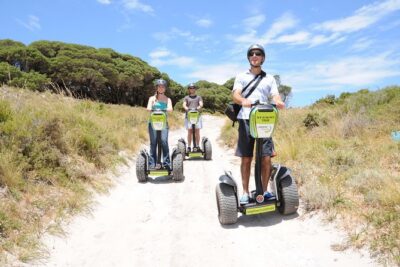
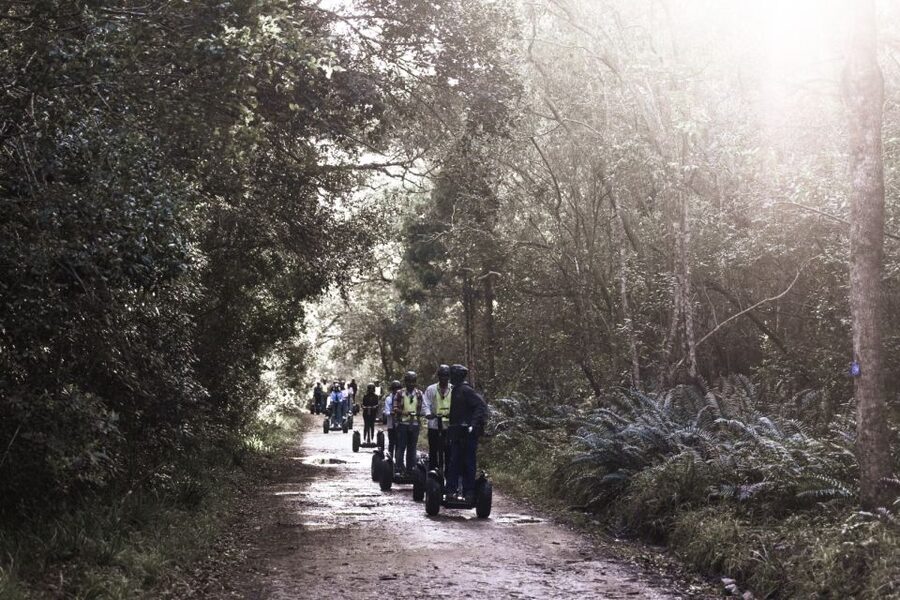
Riding a Segway in real forest feels oddly natural. The 20-minute training is the key: once you get the balance down, the guide keeps you moving smoothly through Stormsriver Village and out toward Tsitsikamma’s forest roads. I especially liked how the guides made it feel easy and social, from Madom taking photos for the group to the witty, expert feel that Kays brought to the ride.
On the longer route, you’re not just cruising around with a view. You glide through pine and indigenous forest and reach the famous Tsitsikamma Big Tree, a living landmark that makes the whole thing feel more than a novelty activity. And the short version still delivers a true taste of the area, including the chance to spot local habitat highlights like fynbos and wetlands along the way.
One consideration: depending on your start time, some tours stay in the village because forest access is restricted after hours. So if you really want the full forest experience, you’ll want to match your time slot to the route that reaches deeper into the park.
In This Review
- Quick hits: what makes this Segway tour worth your time
- Why Tsitsikamma National Park on a Segway works so well
- The 20-minute training: how you get comfortable before the forest
- Stormsriver Village glides on the 1-hour route
- The 2-hour route: pine forests, indigenous forest, and the Big Tree
- Pied Kingfisher trail, fynbos, and wetlands: what to watch for
- Guide energy, first-timer coaching, and photo help
- Price and value: is $33 per person a fair deal?
- Timing matters: which tours stay in the village
- What’s included, what’s not, and how to plan your day
- Who this Segway tour is best for
- Should you book the Tsitsikamma Segway tour?
- FAQ
- How long is the Segway tour?
- How much training do I get?
- Where does the tour start and end?
- Is the tour fully guided?
- What language is the guide?
- What’s the group size?
- Are there age, height, or weight requirements?
- What’s included in the price?
- Is hotel pickup available?
- Does the tour include food?
- Do all departures go into the forest?
Quick hits: what makes this Segway tour worth your time
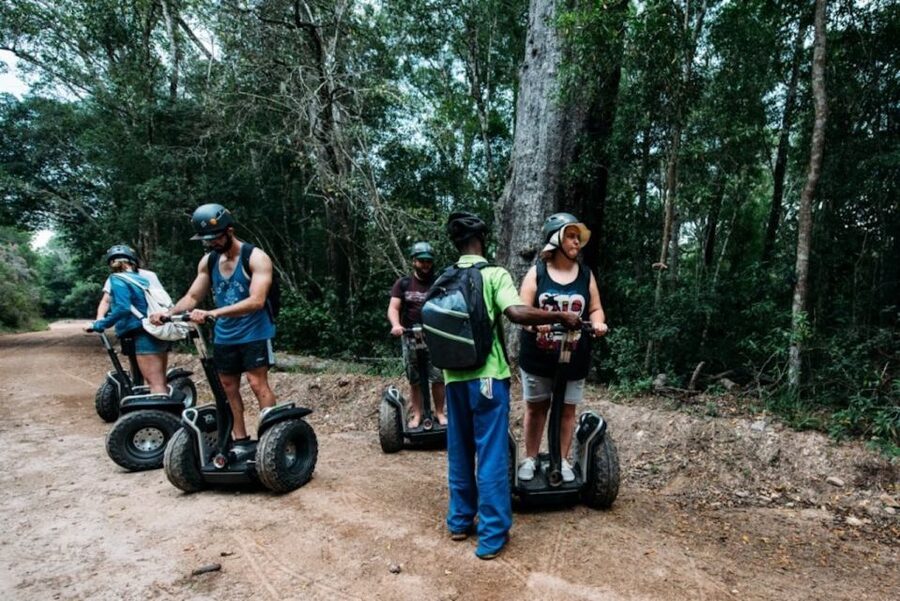
- Short training that makes you ride fast (about 20 minutes before you set off)
- Two route options: 1-hour village-to-forest road, or 2-hours to the big indigenous forest stops
- Tsitsikamma Big Tree on the longer itinerary
- Pied Kingfisher trail with plenty of chances to notice local plants and wetlands
- Small groups (up to 8) so you don’t get lost in the shuffle
- Bottled water and guided pacing included, with guides handling first-timer needs on the fly
Why Tsitsikamma National Park on a Segway works so well
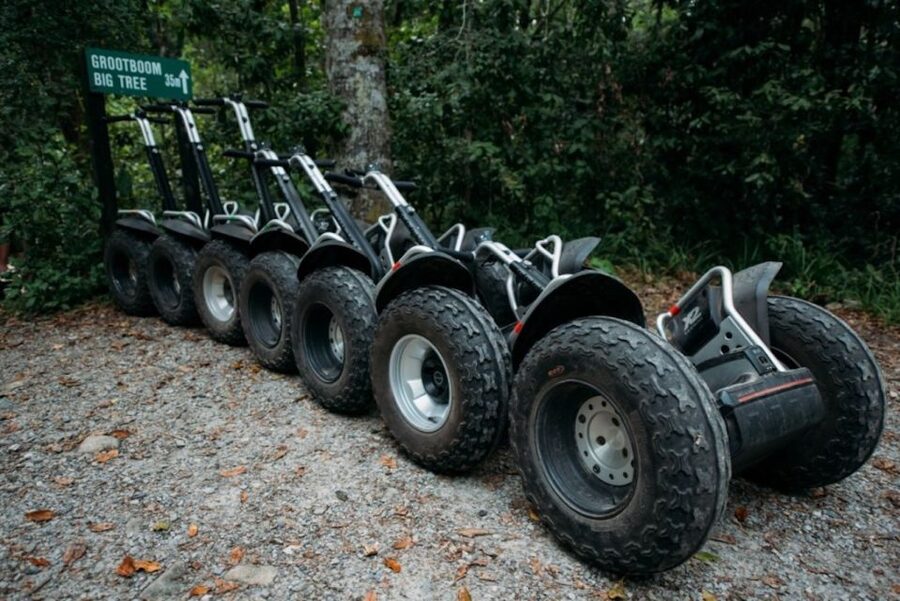
Tsitsikamma National Park is the kind of place that rewards being outdoors—quiet forest roads, habitat variety, and that “how old is this actually” feeling when you spot something like a massive ancient tree. A Segway tour turns all of that into a low-effort way to cover ground without needing to hike all day.
What I liked most is that the route isn’t just about scenery from one angle. You’re moving through different habitat types as you go, from village streets to cool pine forest stretches, and then into indigenous forest areas. The pacing is designed for people who want to see more than a single viewpoint, but aren’t chasing a strenuous workout.
And yes, it’s fun in the plain, simple way. After the training, you stop thinking about balance and start paying attention to the plants, the water edges you pass near the wetlands, and the trail areas where birds like the Pied Kingfisher are part of the story.
You can also read our reviews of more tours and experiences in Tsitsikamma National Park.
The 20-minute training: how you get comfortable before the forest
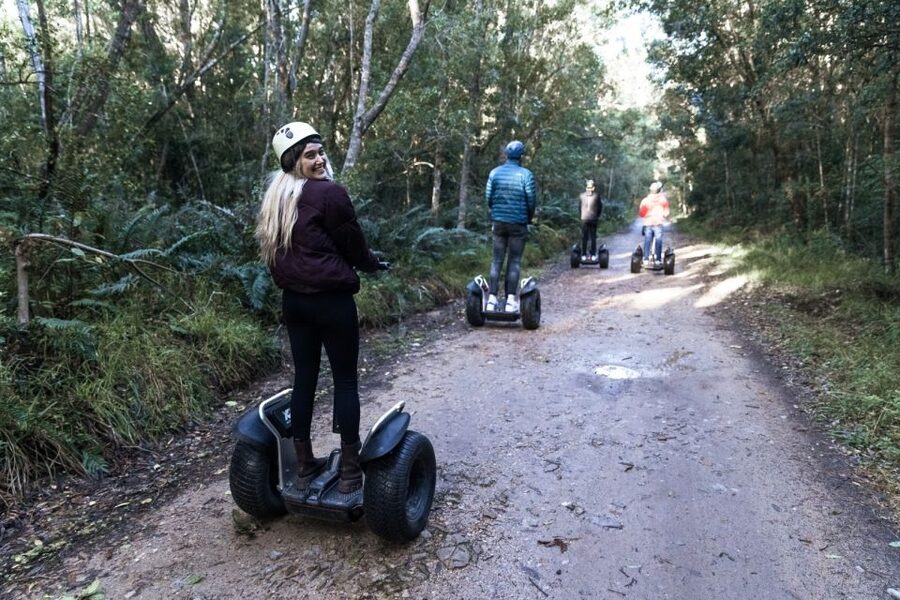
The tour starts with a training session built into the overall time you book. Plan on about 20 minutes of instruction as part of your 1- or 2-hour experience. This matters because it shifts the activity from intimidating to practical. You’re not dropped onto a trail and told to figure it out.
The basic idea is you learn to control speed and direction on the Segway, under guide supervision, before you ride into more scenic areas. That’s why first-timers tend to have a good time here: you get quick coaching, and the guide sets expectations so you’re not guessing.
Group size helps too. With a cap of 8 participants, you can usually get attention when you need it. In the same way good tour guides keep a car trip calm, these guides also keep the ride flowing—so you’re not stopping every ten meters.
Practical note: there are rider limits. You must be at least 3 feet 7 inches tall, and under 275 pounds. If you’re on the fence, double-check those numbers before you book.
Stormsriver Village glides on the 1-hour route
If you only have an hour, the 1-hour option is the “try it and enjoy it” version. You start in Stormsriver Village and glide through the village before heading toward a forest road.
This is a smart choice when:
- you’re traveling with mixed ages or energy levels
- you want a short nature hit without a longer time commitment
- you’re pairing it with other Tsitsikamma activities that take longer on the ground
What you gain is variety without overdoing it. You get village atmosphere first, then a transition into forest-road riding. Even with the shorter time, this route still leans into the park’s theme: forests and local ecology, not just a smooth ride.
One small heads-up: the schedule includes some start times where the ride remains in the village due to restricted after-hours forest access. If your goal is maximum forest time, pick a time slot that actually reaches the forest areas.
The 2-hour route: pine forests, indigenous forest, and the Big Tree
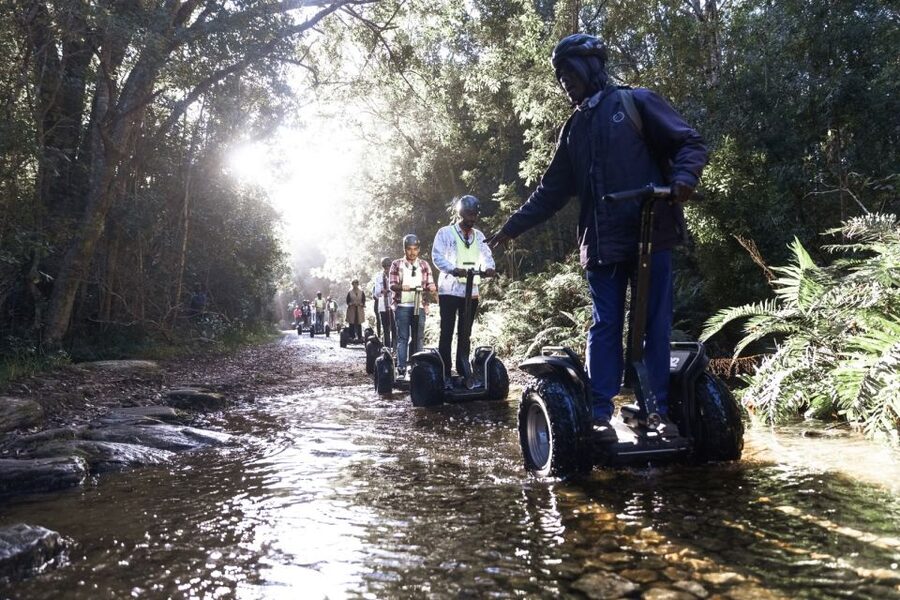
The 2-hour experience is the one I’d steer most people toward if you want a “this felt like Tsitsikamma” moment rather than a quick novelty. It follows a longer loop through Stormsriver Village and into pine forests, then enters indigenous Tsitsikamma Forest.
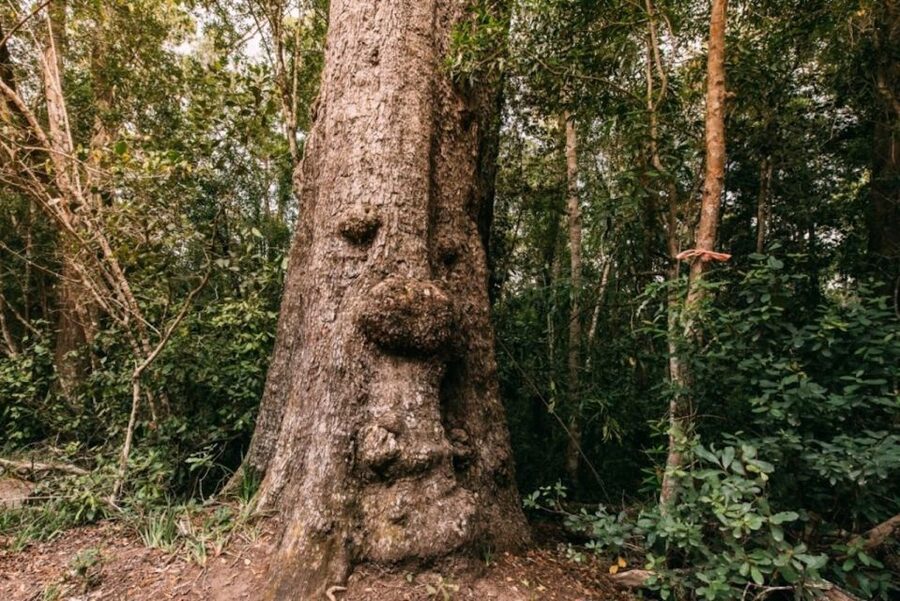
The main event is the stop at the Tsitsikamma Big Tree, described as a 1,000-year-old landmark. That’s a big deal for the simple reason that it changes how you feel about the place. When you’re riding past a site that’s measured in centuries, the short time you spend on the Segway feels more meaningful.
After that, you head back to the village. So you’re not stuck on a long logistical day. You get time in the forest, the key highlight, and then you’re done—meaning you can keep your day flexible for the rest of what you came to South Africa to do.
Pied Kingfisher trail, fynbos, and wetlands: what to watch for
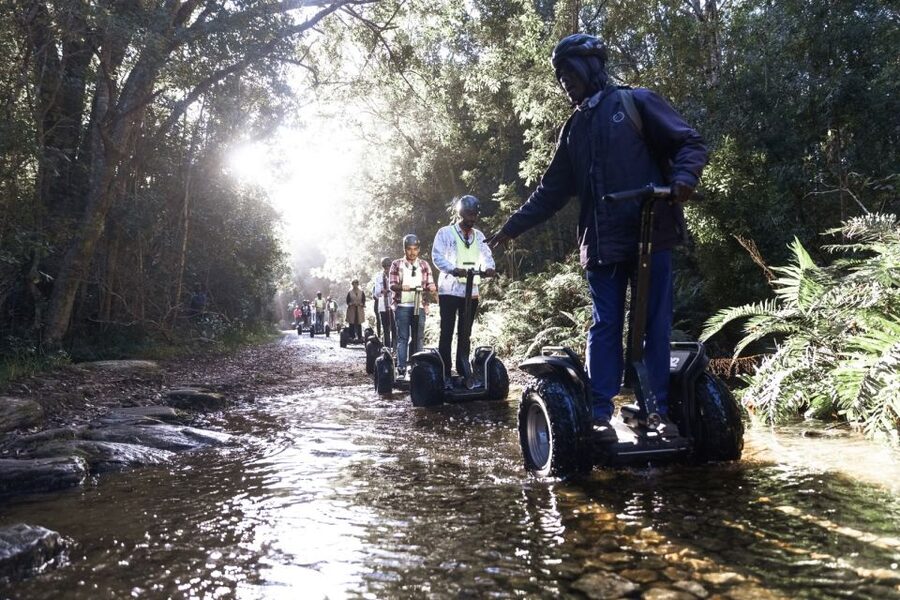
The tour’s highlights point to specific natural features, and they’re the reason the ride feels grounded in the park rather than generic. On this route you’ll be exposed to local habitats such as fynbos and wetlands, and the Pied Kingfisher trail is part of what the guide will steer you toward.
Here’s how to make that pay off for you: slow down mentally. If you’re spending the whole time thinking about steering, you’ll miss the ecological details. Let the guide handle the route, then use your moments of smooth gliding to look for what’s around you:
- plant textures and growth patterns you don’t see in city parks
- wetland edges and water-related habitat cues
- bird-trail areas where guides talk about local species presence and behavior
This is where the guide quality really shows. In particular, I noticed a recurring theme: guides who know how to connect what you’re seeing to what it means. Guides like Madom and Kays didn’t just lead; they made the information land in a way that felt practical and fun.
Guide energy, first-timer coaching, and photo help
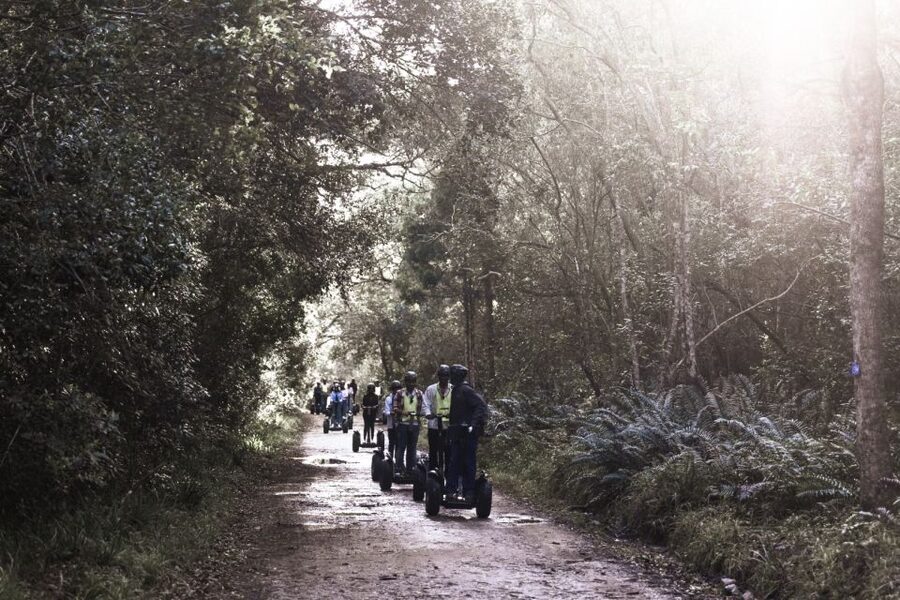
This tour succeeds or fails based on the guide. Here, you’re getting an experienced guide with English and Afrikaans, and the group size makes it easier for them to manage your pace.
From the feedback tied to this experience, two guide strengths show up again and again:
- Comfort with first-timers: you don’t feel like you’re slowing everyone down. The training plus the guided ride helps people get confident.
- Extras that make memories: Madom is specifically mentioned for taking photos for the group, which is the kind of detail that matters when your hands are busy steering.
There’s also mention of solid on-the-spot handling, including first-aid readiness if someone needs it. That’s not something you hope you’ll use, but it’s reassuring.
If you care about good photos, consider asking the guide directly when you meet them how they like to handle group shots. Since the ride moves along, timing matters and they usually know the best moments.
Price and value: is $33 per person a fair deal?
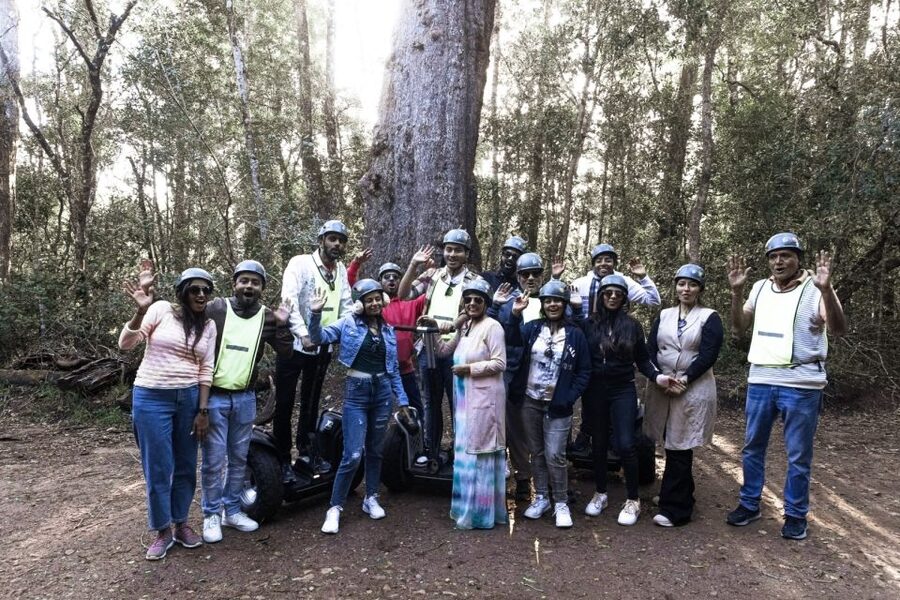
At $33 per person for a 1–2 hour guided Segway tour, the value comes from a few practical ingredients that usually cost more when they’re separate:
- You get the Segway plus the guide service.
- You get bottled water.
- You’re not paying for a private guide to move at a slow, comfortable pace.
- You’re covering more ground than a basic walking-only option, without requiring a big fitness plan.
So the real question for you is how you like to travel. If you enjoy mixing nature with a light activity and you want a structured way to see Tsitsikamma highlights, this price fits the experience.
If you’re the type who hates paying for equipment rental and prefers long, unstructured walks, you might feel like the Segway portion is the whole product. In that case, consider whether you want to spend time on a hike instead. But if you’re trying to make the most of a short stay and you want a guided route that actually gets you to the iconic spots, $33 feels reasonable.
Also, the tour is rated 4.8 with 53 reviews, which is a decent signal that people are mostly getting what they expected: a safe, fun Segway ride with nature stops that make sense.
Timing matters: which tours stay in the village
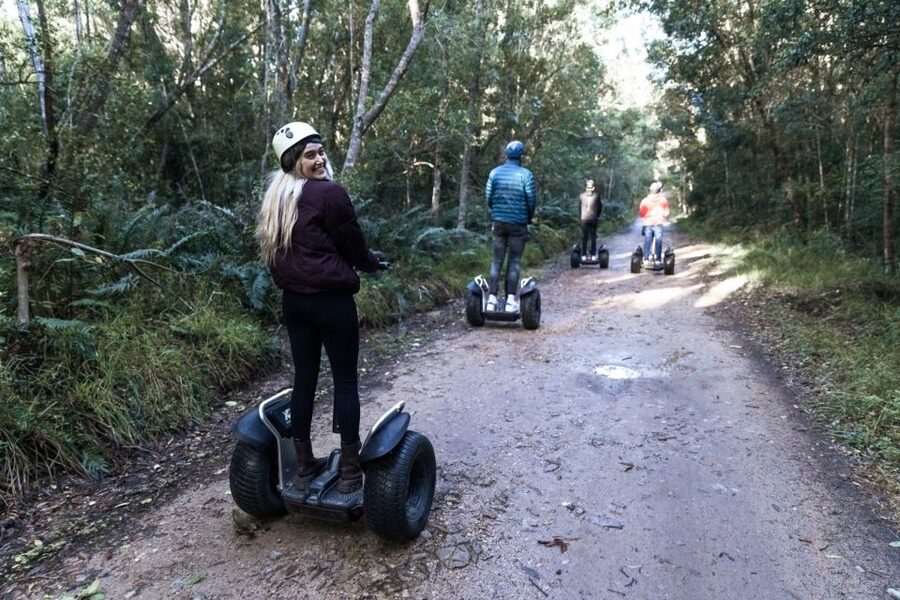
This is the one operational detail that can change your whole experience. Certain departure times—6:00 AM, 6:00 PM, and 7:00 PM—remain in the village due to restricted after-hour access in the forest.
In plain terms: your time choice can affect how much indigenous forest you actually ride through. If the Big Tree and deeper forest access are your top priorities, pick the option and start time that aligns with longer forest access.
If you’re okay with a village-and-forest-road feel (especially on the shorter itinerary), those village-based departures can still be a good fit. You’ll just want to go in knowing it’s not a full deeper-forest loop.
What’s included, what’s not, and how to plan your day
Included:
- Segway
- Experienced guide
- Bottled water
Not included:
- Hotel pickup and drop-off
- Food and drinks
That means you should plan your timing around getting to the meeting point on your own. The good news is the activity ends back at the meeting point, so you’re not solving transport puzzles later.
For food, don’t assume you’ll be fed. If you’re doing this early in the day, grab breakfast before you go. If you’re doing it later, plan a proper meal afterward. The tour itself is designed as a short, guided outdoor experience, not a full-day tour with stops for snacks.
One extra practical tip: some people flag that the meeting address shown on certain booking pages can be wrong. Before you leave, double-check the correct meeting location details you receive after booking, and don’t trust only the address you first see online.
Who this Segway tour is best for
This tour is ideal if you want:
- a guided introduction to Tsitsikamma without committing to a long hike
- an activity that works well even if not everyone in your group hikes
- nature time with a fun “learning something on the go” factor
You’ll probably enjoy it more if you like the idea of learning a new skill quickly, then using that energy to notice the environment. The combination of forest roads, pine stretches, and indigenous forest stops is a good match for people who want variety without exhaustion.
It may be less ideal if:
- you hate guided time limits and prefer complete free-roaming
- you’re sensitive to height/weight requirements and fall outside the rider limits
- you have a strict schedule and can’t adjust if your start time limits forest access
Should you book the Tsitsikamma Segway tour?
I’d book it if you want a short, well-guided way to experience Stormsriver and the Tsitsikamma forest highlights, especially the longer option that reaches the 1,000-year-old Big Tree. The training makes the Segway component approachable, the guides add personality and practical safety, and the route design gives you actual ecological stops rather than just cruising.
I’d think twice if you’re aiming for the deepest forest access but your ideal departure time is one of the village-only slots, or if you prefer long walks over structured activities. In that case, you might still have fun, but you may not get the exact forest experience you pictured.
If you want a fun skill, a guided route, and a meaningful nature stop in a tight time window, this is a strong pick for Tsitsikamma.
FAQ
How long is the Segway tour?
The tour runs for 1 or 2 hours, depending on the option you book. Specific starting times vary, so check availability for the schedule.
How much training do I get?
You get a training session of about 20 minutes, and it’s included as part of the 1- or 2-hour experience.
Where does the tour start and end?
The tour starts at a meeting point that may vary depending on the option booked, and it ends back at the same meeting point.
Is the tour fully guided?
Yes. You’ll ride with an experienced live guide throughout the tour.
What language is the guide?
The guide provides the tour in English and Afrikaans.
What’s the group size?
The tour is a small group, limited to 8 participants.
Are there age, height, or weight requirements?
Yes. Riders must be at least 3 feet 7 inches tall and weigh under 275 pounds.
What’s included in the price?
The Segway, the experienced guide, and bottled water are included.
Is hotel pickup available?
No. Hotel pickup and drop-off are not included.
Does the tour include food?
No. Food and drinks are not included.
Do all departures go into the forest?
Not always. Some start times (6:00 AM, 6:00 PM, and 7:00 PM) stay in the village due to restricted after-hour access in the forest.