REVIEW · STURGEON BAY
Sturgeon Bay Canal City Segway Tour w/ Private Tour Option
Book on Viator →Operated by Segway the Door Tours, Segway the Fox Tours, & Segway the Lake Tours · Bookable on Viator
Sturgeon Bay feels close-up fast, especially on a Segway. In about 2 hours, you’ll roll through the Canal City waterfront area and connect dots between places like Steel Bridge, Graham Park, Big Hill, and the working harbor scene. The big win is history you feel with motion, not history you just stand and listen to.
I love the way this tour feeds you practical maritime context. You’ll pause at the shipping corridor to hear about local boat types and why Sturgeon Bay matters as a shipbuilding hub, from large lakers to smaller fishing craft. Then you get a free exterior stop at the Door County Maritime eMuseum, where the focus stays on shipbuilding and classic maritime gear.
One consideration: the “how much detail will I get?” factor can be uneven. One earlier rider said the Segway part was fun and the guide was nice, but the guide struggled to answer even simple questions, which suggests preparation or depth might vary. Plan to keep your expectations flexible, and remember the tour needs good weather and you must be comfortable using steps and standing on your feet.
In This Review
- Key points before you book
- Segway and Sturgeon Bay’s Working Waterfront: What the Canal City Tour Really Shows
- Before You Go: 120 N Madison Ave Meet-Up and the 2-Hour Reality Check
- Rolling the Shipping Corridor: Boats, Trade, and Why Sturgeon Bay Built Its Reputation
- Exterior Time at the Door County Maritime eMuseum: What You’ll Actually See
- The 1800s Ship Canal Lesson: Cutting Through the Door Peninsula
- Door Peninsula vs Deaths Door: A Safety-by-Geography Comparison That’s Easy to Remember
- Private Tour Option: When Max-8 Feels Like the Sweet Spot
- Price and Value at $100.97 Per Person: What You’re Paying For
- Who This Tour Fits Best (and Who Might Want Another Option)
- Should you book the Sturgeon Bay Canal City Segway Tour?
- FAQ
- How long is the Sturgeon Bay Canal City Segway Tour?
- What does the tour cost?
- Where do I meet for the tour?
- What’s included with the Segway tour?
- Is there a private tour option?
- What’s the cancellation policy?
Key points before you book
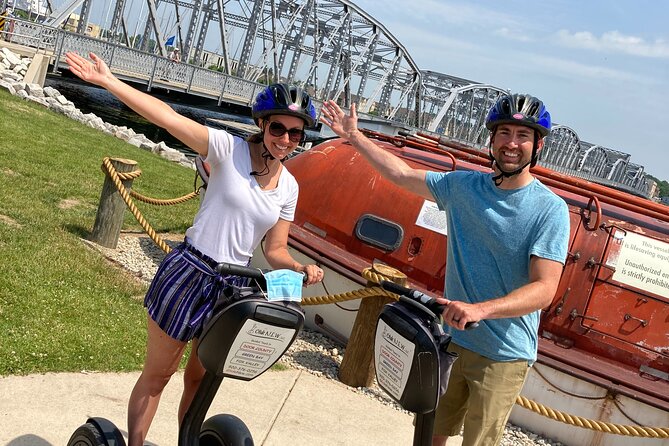
- 2 hours on a Segway with bottled water included and a maximum group size of 8
- Shipping corridor boat talk tied to the area’s real work on the water
- Door County Maritime eMuseum exterior stop (free) between the downtown bridges
- Ship canal vs Deaths Door explanation grounded in safety and route choices
- Private tour option available if you prefer a quieter, more personal pace
Segway and Sturgeon Bay’s Working Waterfront: What the Canal City Tour Really Shows
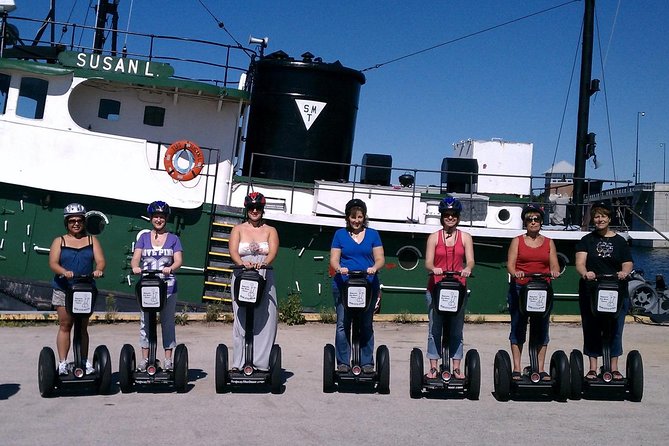
This is a “move and learn” tour built around Sturgeon Bay’s waterfront and its shipbuilding story. Sturgeon Bay is known for practical, blue-collar work tied to the water, so instead of only seeing pretty views, you’ll be learning why the city developed where it did and how boats moved through the region. You’ll get a sense of the harbor’s purpose: ships come in, vessels pass through, and local design choices changed routes over time.
The Segway matters here. You’re not stuck in one spot, and you won’t just do a short walking loop. You’ll cover ground efficiently and still stop when something is worth looking at—like the corridor where shipping happens and the waterfront viewpoints near downtown bridges.
Expect the tour to connect several named places you’d otherwise miss if you were driving. Steel Bridge, Graham Park, and Big Hill show up as part of the overall route, while the real storyline keeps returning to the maritime engine of the city. If you like learning geography through real places, this format works well.
You can also read our reviews of more tours and experiences in Sturgeon Bay.

Before You Go: 120 N Madison Ave Meet-Up and the 2-Hour Reality Check
You meet at 120 N Madison Ave, Sturgeon Bay, WI 54235, and the experience ends back at that same spot. The tour runs about 2 hours, and it’s paced as an excursion rather than a full-day outing—so it’s realistic even if you’re juggling other Door County plans.
You’ll have a mobile ticket, and you’ll be riding a Segway during the experience. That means you should treat this as an active activity, not a slow sightseeing walk. Wear closed-toe shoes you feel steady in, and dress for the weather. Since the tour requires good weather, check conditions ahead of time so you aren’t surprised if plans shift.
Participation also has a clear threshold: you must be able to use steps without assistance and feel comfortable on your feet. If you’re unsure about balance or step comfort, this is the part to think through early—because the tour depends on you staying confident and upright throughout.
Rolling the Shipping Corridor: Boats, Trade, and Why Sturgeon Bay Built Its Reputation
The tour’s core story begins with Sturgeon Bay itself and the idea of a strategic shipping corridor. The tour frames the city as Door County’s shipbuilding hub, with heritage that ranges from very large vessels to smaller working craft. That mix matters, because it tells you the city isn’t just a museum stop—it’s tied to actual maritime work.
At the corridor stop, you’ll learn about the region’s boats. The point isn’t just to memorize vessel types; it’s to understand what kinds of boats travel these routes and why the local geography and infrastructure mattered. You’ll also get the sense of a city that grew around water-based commerce and construction—where “shipbuilding hub” isn’t a slogan, it’s a job you can see reflected in the waterfront.
A good way to get value from this part is to keep your eyes open for cues. Look for how the waterfront is organized and how the corridor would support passage and commerce. When the guide points out features, follow the logic: what would ships need, how would they enter, and what would make one route easier or riskier than another?
Exterior Time at the Door County Maritime eMuseum: What You’ll Actually See
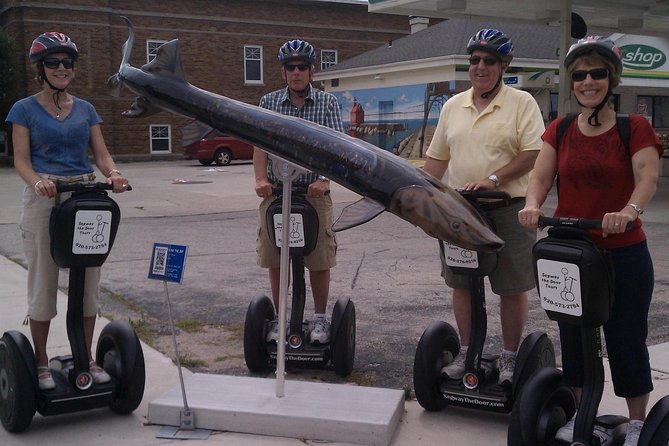
One of the tour’s most practical perks is the museum stop. You’ll view the Door County Maritime eMuseum from outside, between downtown bridges on Sturgeon Bay’s working waterfront. The tour calls out specific museum elements that are worth knowing about ahead of time: shipbuilding history, an extensive ship model collection, a refurbished steamship pilot house, and classic boats.
Even if you’re only seeing the exterior, this stop gives you a big-picture anchor. It’s a quick way to connect what you’ve been hearing about—routes, boats, shipbuilding—with physical objects and maritime atmosphere. You’ll leave with names and themes you can later connect to other Door County maritime sites.
The museum connection also helps balance the tour. You spend the earlier portion learning about movement and routes, then this stop shifts you toward the “why” of how vessels were built, studied, and preserved. If you love maritime design details, you’ll likely appreciate the model collection and the pilot house reference when your guide brings it up.
The 1800s Ship Canal Lesson: Cutting Through the Door Peninsula

Here’s the history thread that ties the whole experience together: the Sturgeon Bay ship canal, constructed in the 1800s. The tour explains that this canal allowed vessels to cut through the Door peninsula instead of using the dangerous Deaths Door passage at the tip of the county.
That’s a simple idea with big consequences. Think of it like route optimization for survival. If one passage is more hazardous, building an alternate way changes not just travel time, but how safe and predictable marine activity can be. The canal story turns the maritime geography into something you can picture, not just something you read.
This stop tends to work best if you ask your guide to point out the route logic while you’re near viewpoints. When you can connect the explanation to the physical setting, the difference between “easy choice” and “dangerous passage” lands faster. It’s the kind of lesson that sticks because it’s tied to real navigation decisions.
Door Peninsula vs Deaths Door: A Safety-by-Geography Comparison That’s Easy to Remember
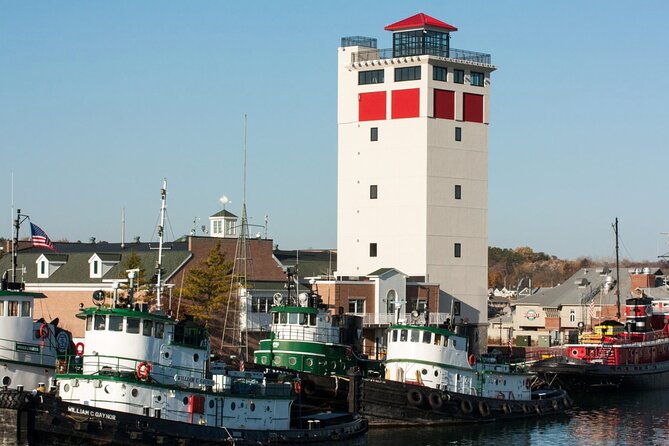
The tour doesn’t treat geography like trivia. It frames the Door peninsula and Deaths Door passage as part of what makes the region challenging, and it connects that danger to why the canal mattered. The wording you’ll hear centers on the contrast: one route is more straightforward for ships using local infrastructure, while the other is described as dangerous.
If you want a quick takeaway you can repeat to friends, aim for this mental model: Sturgeon Bay’s ship canal reduced exposure to the risks of Deaths Door. That’s the story in plain language.
To make the most of this segment, listen for how your guide describes the passage context and why locals would prefer one path over another. Even if you’re not into maritime history, this is a relatable type of lesson—how communities reshape routes around safety and practicality.
Private Tour Option: When Max-8 Feels Like the Sweet Spot

The tour/activity has a maximum group size of 8, which generally keeps the experience from feeling crowded. That small number matters for a Segway ride because you want clear spacing, calm pacing, and time at stops that doesn’t feel rushed.
A private tour option exists as well. If you like asking follow-up questions, a private format usually helps because you’re not sharing attention with a larger group. It can also be a better fit for families or small parties who want a steadier rhythm without waiting for others.
Given one piece of negative feedback about limited answers to basic questions, I’d suggest you plan to bring your own prompts. If you care about detailed shipbuilding facts, ask early—because you’ll know quickly whether your guide is able to go deeper or keep it more general.
Price and Value at $100.97 Per Person: What You’re Paying For

At $100.97 per person, this is not a “cheap add-on” kind of tour. The value comes from what’s included and what you get in return: use of Segway plus bottled water, with a total ride time of about two hours.
You’re paying for the active transportation and the guided route, not just museum viewing. The tour also flags a free element connected to the stop at Sturgeon Bay, which helps justify the overall price. If your itinerary includes multiple stops in Door County, this kind of guided, gear-based experience can be a good trade when you want something different than another standard walking tour.
To judge value realistically, ask yourself what you want most:
- If you want a hands-on, movement-based way to learn, the price starts to make sense.
- If you’re expecting a deep, highly specific maritime lecture with lots of detailed Q&A, you should adjust expectations since depth can vary.
Who This Tour Fits Best (and Who Might Want Another Option)
This works especially well for people who:
- Enjoy active sightseeing and want to cover a few Sturgeon Bay highlights without tiring out
- Like maritime themes and want an easy explanation of ship routes in this part of Door County
- Prefer a guided experience that points out the working waterfront story as you ride
It may be less ideal if:
- You need lots of detailed historical answers on demand
- You’re not comfortable on your feet or using steps without assistance
- Weather is unpredictable during your visit window, since the tour requires good conditions
Also note the tour is limited to about 2 hours. If you want an all-day museum-heavy itinerary, this is probably not your main event—it’s a strong add-on or a first look at Sturgeon Bay’s waterfront story.
Should you book the Sturgeon Bay Canal City Segway Tour?
I’d book it if you’re excited by the idea of learning Sturgeon Bay’s maritime logic while actually riding through the area. The combination of a working waterfront setting, a shipping corridor lesson, and a ship canal vs Deaths Door explanation makes the information feel connected rather than abstract. Add in Segway use plus bottled water, and it becomes a straightforward, fun way to get oriented in Canal City.
I’d think twice if you’re the type who expects highly detailed answers every time you ask a question, since at least one earlier experience pointed to shallow response when it came to simple queries. If you do go, bring curiosity and ask early—then you’ll quickly know if the tour hits your style.
If your schedule and weather line up, and you’re comfortable with the physical requirements, this is a solid value-for-effort choice in the Sturgeon Bay area.
FAQ
How long is the Sturgeon Bay Canal City Segway Tour?
The experience is about 2 hours.
What does the tour cost?
The price is $100.97 per person.
Where do I meet for the tour?
You meet at 120 N Madison Ave, Sturgeon Bay, WI 54235, USA. The tour ends back at the meeting point.
What’s included with the Segway tour?
The tour includes bottled water and use of a Segway.
Is there a private tour option?
Yes. The experience listing includes a private tour option.
What’s the cancellation policy?
You can cancel for free up to 24 hours in advance for a full refund. If you cancel less than 24 hours before the start time, the amount paid is not refunded. The tour requires good weather, and if it’s canceled due to poor weather, you’ll be offered a different date or a full refund.