REVIEW · ULURU
Segway the FULL base of Uluru
Book on Viator →Operated by Uluru Segway Tours · Bookable on Viator
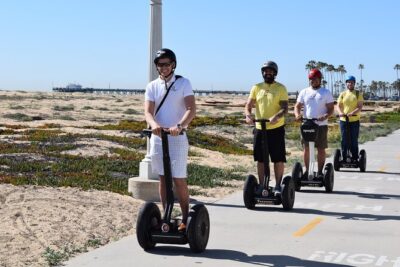
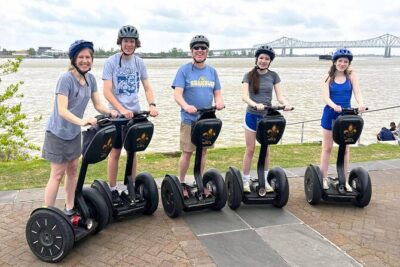
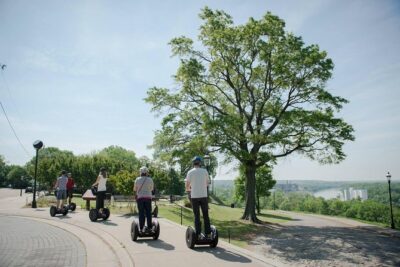
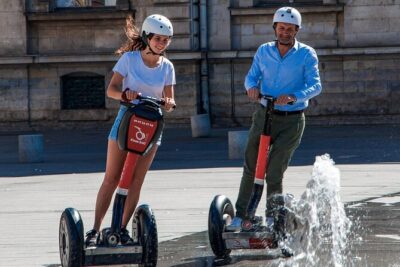
Gliding around Uluru feels unreal. This small-group Segway tour covers the full base in a max of 10 people, with a sunrise stop at Talinguṟu Nyakunytjaku plus a short walk into Mutitjulu Waterhole. I love how they take time to train you properly before you ride, and I like the live commentary that ties what you’re seeing to Anangu culture and the red center’s natural details. One possible drawback: the ride can feel a bit structured, and you won’t have total freedom to stop whenever you want for photos.
If you’re worried about heat, the Segway helps a lot. Walking the base takes a long time and gets draining fast in the sun, and this route is built to keep you moving without cooking. Just note that national park entry tickets aren’t included, so you’ll need to sort that separately.
In This Review
- Key things that make this Uluru Segway tour worth it
- Why the full-base Segway beats the long Uluru walk
- Sunrise at Talinguṟu Nyakunytjaku: the picnic breakfast part
- Segway training, safety briefing, and learning fast
- The 2.5-hour ride: circumnavigating Uluru’s full base
- Mutitjulu Waterhole walk: 30 minutes on foot with cultural context
- Price and value: is $171.42 for the full package fair?
- Who this Uluru Segway tour fits best
- Practical tips to make your ride smoother
- Should you book the Segway full base of Uluru?
Key things that make this Uluru Segway tour worth it
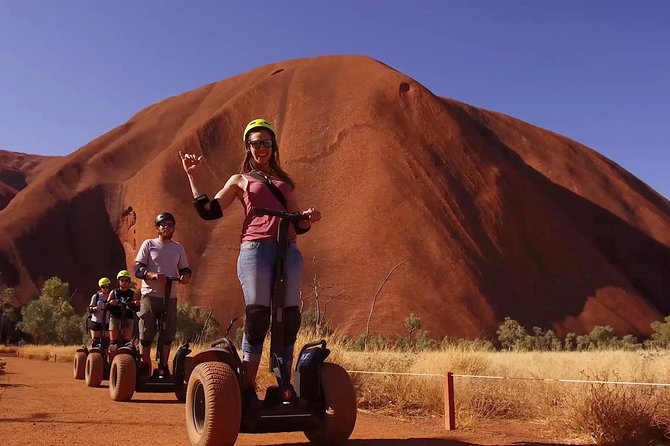
- Full-base circumnavigation by Segway, so you cover ground without the punishing walk
- One-on-one style training and practice time, even if it’s your first Segway
- Sunrise option plus picnic breakfast at Talinguṟu Nyakunytjaku for the classic early-light look
- A guided Mutitjulu Waterhole walk on foot, with chances to learn about rock art and Anangu connections
- Small-group experience (up to 10), which means you actually get attention on the ride
Why the full-base Segway beats the long Uluru walk
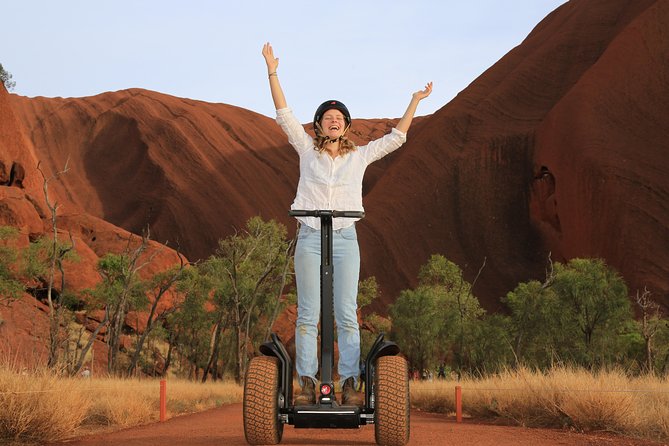
Uluru’s base is amazing, but it’s also a workout. The main problem isn’t the distance in theory. It’s the heat, fatigue, and time it takes before you feel like you’ve actually seen enough. This tour is designed for the reality of a hot outback day: you get to see more of the rock’s circumference without wearing yourself down early.
The payoff is control. After the safety briefing and practice, you ride at a pace that feels doable, and your guide can move the group efficiently between key viewpoints. You’re not stuck stopping every few minutes to regroup like a walking crowd. Instead, you follow a route that focuses on the most important parts of the base journey while keeping you comfortable enough to enjoy it.
The live commentary on board is also a big part of why it works. You’re not just gliding past scenery. You’re getting context while you’re moving, so the trip feels like a guided story rather than a sightseeing loop.
And yes, it can be fun in a way that surprises people. I’ve watched first-timers relax fast once they understand the controls and realize how steady the ride feels on these surfaces.
You can also read our reviews of more tours and experiences in Uluru.
Sunrise at Talinguṟu Nyakunytjaku: the picnic breakfast part
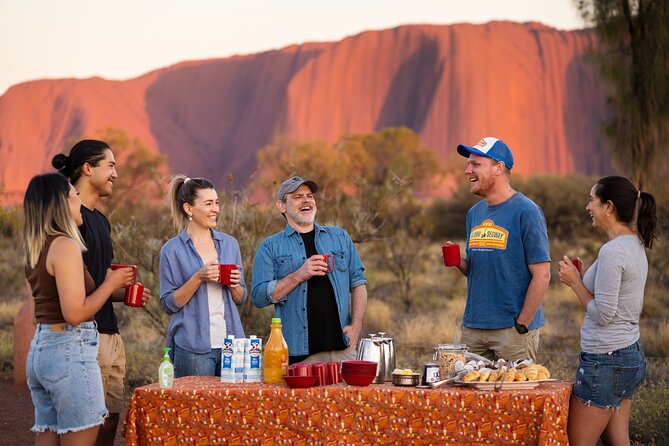
The tour’s first stop is Talinguṟu Nyakunytjaku – Uluṟu Sunrise Viewing Area, with about 45 minutes set aside for sunrise and breakfast. This is where the morning light makes Uluru look like a different object than it did the day before. The idea here is simple: you arrive before it’s hot, you eat something warm and filling, and you watch the sky change color while the rock glows.
You’ll have a picnic breakfast at the sunrise viewing area. Expect a basic setup with coffee and tea, plus items like muffins, cereal, and some bread items. It’s not a big “brunch feast,” but it does the job: fuel for a long morning and warmth before the heat ramps up.
Timing matters. The sunrise viewing area segment comes early enough that you’re not already exhausted by the time you start the Segway portion. That means the Segway training feels less stressful too, because you’re not fighting sunburn and dehydration.
A practical consideration: your sunrise view might be partially blocked by trees depending on where the area’s sightlines fall. It shouldn’t ruin the experience, but if you’re photo-obsessed, don’t assume you’ll get a perfect unobstructed horizon.
Segway training, safety briefing, and learning fast
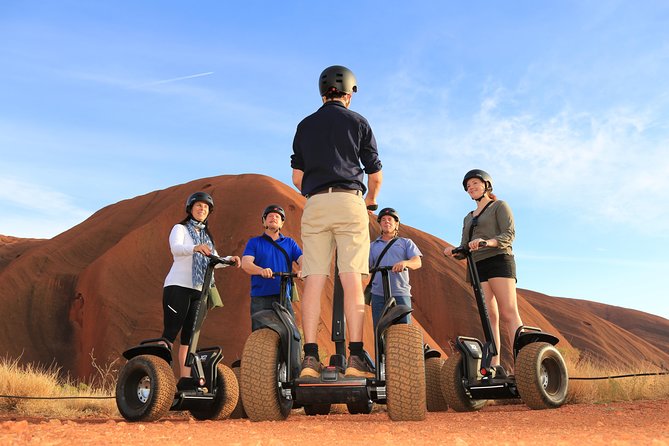
Before you ride around the base, you go through thorough training. You’ll get a briefing on how to ride safely, then practice before you start the guided circuit. This matters because Uluru is a real place with real logistics, and the last thing you want is stress on the first few minutes.
The good news is that the training is built for first-timers. People who’ve never used a Segway before typically feel more confident quickly, especially when the guide takes the time to coach each person and answer questions. Names that come up in the guide team you might encounter include Dan, Jess, Dahlia, Nick, Blaze, Sarah, Brittney, Danielle, and Betty. The common thread is patience during learning.
You’ll also wear a helmet and use safety equipment, which is included. That small detail helps you focus on riding and listening rather than worrying about gear.
One more reality check: this is an adventure activity with specific physical requirements. You should feel fit enough to ride a bicycle, and you need to be comfortable with balance and vision needs. If you have serious vision or balance impairments, this likely won’t work for you. If you’ve got a history of serious spinal injury, or you’re pregnant, it’s not suitable.
The 2.5-hour ride: circumnavigating Uluru’s full base
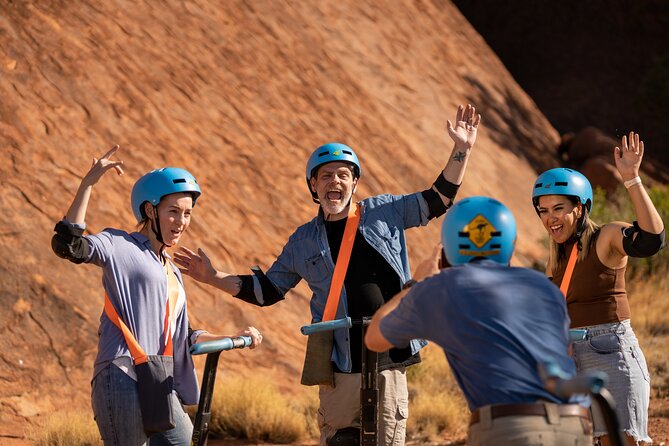
The main event is the Segway tour around the full base of Uluru, with a duration of about 2 hours 30 minutes. This is where you do the hardest part of the sightseeing without doing the hardest part of the walking.
Your route is designed as a full circuit. You’ll learn as you ride—history, nature, and local Aboriginal culture are part of the narration. The best part is that you’re getting these explanations in the right order: as the rock’s features pass by, the stories and meanings land more clearly than if you read them later on a map.
The “full base” plan also gives you a chance to understand Uluru’s scale. Up close, the rock doesn’t feel like a single view postcard. It’s sheer, textured, and oddly powerful from different angles. Riding helps because you don’t arrive at each section tired. You reach viewpoints with energy left to actually notice what’s in front of you.
Photo reality check: you will get opportunities to stop along the way, but the route is still guided and timed. If you love roaming slowly and taking dozens of angles, you may feel a little pressed to keep moving. In hot weather, though, the Segway’s efficiency usually outweighs the limitation.
A weather factor to keep in mind: the experience requires good weather. If conditions mean a full route can’t be done (for example, wet tracks), the plan can change. In some cases the tour may shift to a shorter circuit, with refunds handled when the route is cut back. That’s a rare but important heads-up in the outback.
Mutitjulu Waterhole walk: 30 minutes on foot with cultural context
Stop 3 is Mutitjulu Waterhole, and it’s about 30 minutes. Here you switch from Segway to a guided walk on foot with your guide. The narration continues, but the mood becomes slower. Walking in this area is less about speed and more about paying attention.
Mutitjulu Waterhole is also where you can learn about Aboriginal rock art and hear more about the Anangu people. Even if you think you already know the basics about Uluru, this stop tends to deepen your understanding because it links the living cultural connections to a very specific place, not just a general landmark.
From a practical standpoint, this is short enough to feel manageable after the Segway circuit. If your legs are tired, it still doesn’t turn into another long hike. You get that on-foot contrast that rounds out the day: glide around the base, then slow down at Mutitjulu.
Price and value: is $171.42 for the full package fair?
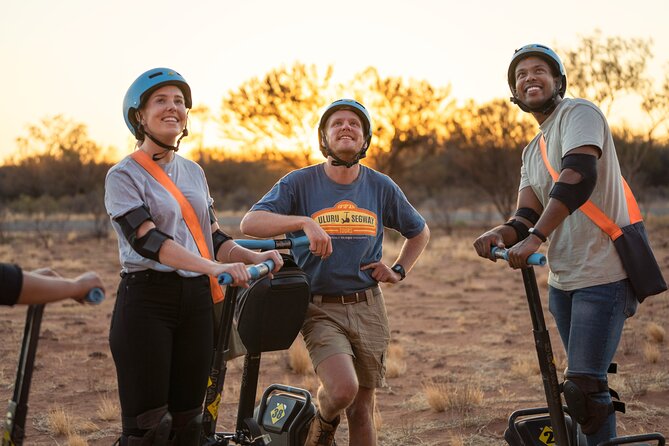
At $171.42 per person, this tour is in the “premium activity” category, not the “budget tour” category. The value comes from what you’re not doing yourself.
First, you’re paying for hotel pickup and drop-off, plus a guided route with a professional guide. That saves time and effort, and it removes the stress of coordinating transport at Uluru.
Second, you get Segway use, helmet and safety equipment, and the time it takes to train you. With a full-base circumnavigation, you’re basically buying a structured way to see what would otherwise take a long, hot walk to cover.
Third, you’re combining multiple experiences in one booking: sunrise viewing and picnic breakfast, a long guided ride around the base, and a guided walk into Mutitjulu Waterhole. For many people, that mix is the real reason the price feels worth it.
One important cost you need to plan for: national park entry tickets are not included. If you haven’t already purchased your entry ticket, factor that into your total budget so you’re not surprised at check-in.
Overall, if you want a “see a lot, stay comfortable, still learn the meaning” style day, the price starts to make sense. If your priority is unstructured wandering and you’re happy walking long distances in heat, you may feel the Segway portion is less necessary.
Who this Uluru Segway tour fits best
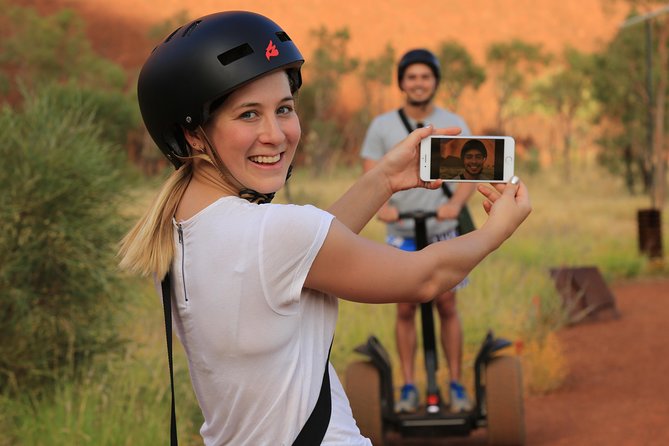
This tour is designed for people with moderate physical fitness and good enough balance/vision to ride. You should be comfortable enough that you could ride a bicycle. If that’s you, the experience is usually easier than it sounds.
It’s also built for small groups, with a maximum of 10 travelers, so you aren’t stuck in a huge herd. That smaller number makes training and guidance feel more personal, and it tends to help first-timers.
It’s not recommended for people over 65, and it isn’t suitable for pregnant people or anyone with a history of serious spinal injury. There’s also a weight range: you must weigh between 45 and 117 kg (99 to 257 pounds), and the minimum age is 12, with children needing an adult.
If you’re traveling as a couple or friends and want a shared experience with guided context, this fits well. If you’re traveling with someone who refuses any safety-briefing approach or can’t tolerate training, it may feel like too much structure.
Practical tips to make your ride smoother
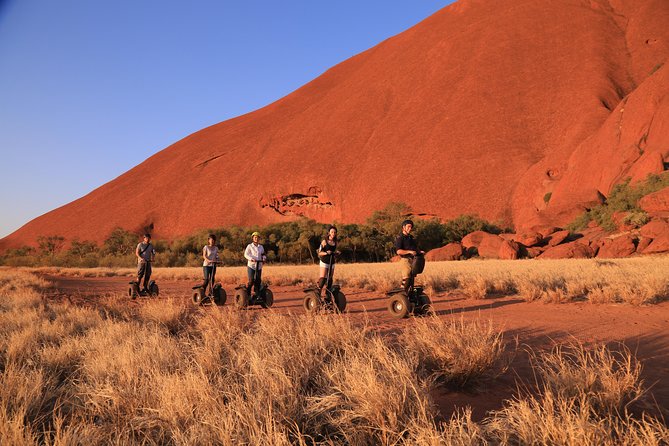
Wear sun-smart clothing because you’ll be outside from sunrise. Even though you’re on a Segway for much of it, you’ll still walk briefly, and you’ll be standing for the sunrise viewing.
Bring a water strategy. The tour includes breakfast, but it’s still the desert. You’ll ride and then walk in the heat, so plan to hydrate before and after your Segway session.
For the Segway itself, listen during training and don’t rush it. You’ll get the most out of the tour if you give yourself that practice time until you feel comfortable. If your balance feels a bit wobbly at first, tell your guide right away so they can adjust your setup and pace.
Finally, think about expectations for photos. You’ll have chances to stop, but the day is guided. If you want long solo photo pauses, you might feel constrained. If you’re happy with “best shots along the route,” you’ll likely feel satisfied.
Should you book the Segway full base of Uluru?
Book it if you want the full base experience without turning the day into a heat-stress marathon. The sunrise picnic at Talinguṟu Nyakunytjaku, the guided Segway circumnavigation, and the Mutitjulu Waterhole walk create a balanced mix: comfortable speed plus meaningful context. The small-group size and careful training are exactly what make this work for first-timers.
Skip it if you’re determined to walk at your own slow pace for hours, or if your health or fitness situation doesn’t meet the requirements (balance, vision, pregnancy, spinal injury history, or the over-65 recommendation). Also budget for national park entry tickets separately, since this tour price doesn’t cover them.
If you want one trip that covers the rock thoroughly while keeping you comfortable enough to actually enjoy it, this is a strong choice.